EXPOSÉ CURRENT RECORD • LIVE FROM THE EXPOSÉ FACEBOOK PAGE
Current Record
EXPOSÉ
Daily commentary • public record • institutional accountability
Jan Venter • South Africa
EXPOSÉ CURRENT RECORD
The latest posts published by Exposé, brought directly into the permanent Exposé record.
This page updates from the official Exposé Facebook Page. New posts, commentary and accompanying banners appear here without creating a new WordPress page every night.
One permanent page
The newest Exposé post appears first. Earlier posts remain below it, creating a continuously updated current-record stream while this page keeps one permanent WordPress URL.
Live Exposé feed
LATEST FROM EXPOSÉ
The newest Exposé Facebook post appears first, followed by the recent public record.

🚨 𝗥𝟯 𝗠𝗜𝗟𝗟𝗜𝗢𝗡 𝗜𝗡 𝗖𝗔𝗦𝗛. 𝗧𝗛𝗜𝗥𝗧𝗬-𝗦𝗘𝗩𝗘𝗡 𝗗𝗘𝗣𝗢𝗦𝗜𝗧𝗦. 𝗔𝗡𝗗 𝗢𝗡𝗖𝗘 𝗔𝗚𝗔𝗜𝗡, 𝗧𝗛𝗘 𝗘𝗫𝗣𝗟𝗔𝗡𝗔𝗧𝗜𝗢𝗡 𝗜𝗡𝗩𝗢𝗟𝗩𝗘𝗦 “𝗟𝗢𝗔𝗡𝗦”.
🔥 𝗚𝗢 𝗕𝗔𝗖𝗞 𝗔𝗡𝗗 𝗥𝗘𝗔𝗗 𝗠𝗬 𝗘𝗫𝗣𝗢𝗦𝗘́ 𝗢𝗙 𝗬𝗘𝗦𝗧𝗘𝗥𝗗𝗔𝗬. 𝗜 𝗪𝗔𝗦 𝗧𝗔𝗟𝗞𝗜𝗡𝗚 𝗔𝗕𝗢𝗨𝗧 𝗘𝗫𝗔𝗖𝗧𝗟𝗬 𝗧𝗛𝗜𝗦 𝗞𝗜𝗡𝗗 𝗢𝗙 𝗙𝗜𝗡𝗔𝗡𝗖𝗜𝗔𝗟 𝗔𝗥𝗥𝗔𝗡𝗚𝗘𝗠𝗘𝗡𝗧 — 𝗘𝗜𝗚𝗛𝗧 𝗬𝗘𝗔𝗥𝗦 𝗔𝗙𝗧𝗘𝗥 𝗜 𝗙𝗜𝗥𝗦𝗧 𝗪𝗘𝗡𝗧 𝗧𝗢 𝗧𝗛𝗘 𝗛𝗔𝗪𝗞𝗦.
South Africa is watching yet another disturbing development emerging from the Madlanga Commission. The Independent Police Investigative Directorate has confirmed executing a search warrant at the premises of a KwaZulu-Natal Hawks officer on Friday, 9 October 2026. Reports identify the officer as Lieutenant-Colonel Deenadayalan “Deena” Govender. Evidence presented to the Commission concerned approximately R3.05 million in cash movements over sixteen months, including 37 separate ATM deposits of R10,000 each. Govender offered explanations involving family assistance, loans and other arrangements. Evidence leaders challenged those explanations and questioned whether the transactions had characteristics associated with money laundering. Govender denies wrongdoing. A search warrant is not a conviction, and the evidence must be properly tested. But the questions before the Commission should make every South African sit up and pay attention.
💰 𝗡𝗢𝗪 𝗟𝗘𝗧 𝗠𝗘 𝗔𝗦𝗞 𝗦𝗢𝗠𝗘𝗧𝗛𝗜𝗡𝗚 𝗩𝗘𝗥𝗬 𝗦𝗜𝗠𝗣𝗟𝗘.
When large sums of money move between individuals, when cash is deposited through multiple transactions, when third parties become involved, and when the explanation repeatedly includes the word “loan”, should investigators simply accept that description and close the file? OF COURSE NOT. They should ask who provided the money, where that person obtained it, whether there was a genuine obligation to repay, whether repayments occurred, what the money was intended to achieve, and whether its movement was properly declared and documented. A label on a transaction is not the same as proof of its legitimate purpose. A bank statement shows that money moved. An invoice shows what somebody chose to call it. Neither, by itself, establishes the ultimate source of the funds. And where there are indications of possible corruption or money laundering, the investigation must follow the entire financial trail.
🚨 𝗡𝗢𝗪 𝗚𝗢 𝗕𝗔𝗖𝗞 𝗧𝗢 𝗪𝗛𝗔𝗧 𝗜 𝗣𝗨𝗕𝗟𝗜𝗦𝗛𝗘𝗗 𝗬𝗘𝗦𝗧𝗘𝗥𝗗𝗔𝗬, 𝟭𝟮 𝗢𝗖𝗧𝗢𝗕𝗘𝗥 𝟮𝟬𝟮𝟲.
I spoke openly about the payments I received during my involvement with politically powerful individuals and their intermediaries. I spoke about monthly payments, cash, vehicles, tools, accommodation, expenses and money described as loans. I explained that original emails and correspondence exist from the period when those arrangements operated. I explained that I approached the Hawks in 2018 because I wanted the full financial arrangements investigated. And I said, without mincing my words, that I regarded the payments as BRIBES. Not charitable donations. Not gifts given out of the goodness of somebody's heart. BRIBES. That is my account of what was happening, and it is the allegation I have demanded be examined against the original records.
𝗔𝗡𝗗 𝗜 𝗪𝗜𝗟𝗟 𝗦𝗔𝗬 𝗧𝗛𝗜𝗦 𝗔𝗚𝗔𝗜𝗡, 𝗔𝗦 𝗖𝗟𝗘𝗔𝗥𝗟𝗬 𝗔𝗦 𝗜 𝗣𝗢𝗦𝗦𝗜𝗕𝗟𝗬 𝗖𝗔𝗡.
I told investigators that the bribes I received were connected to David Mabuza and financial intermediaries around him. My account is that intelligence-related money, including funds originating from the State Security Agency and what I have described as national-intelligence funding channels, formed part of those arrangements. I am not presenting that allegation as a judicial finding concerning the ultimate source of every payment. I am telling you what I personally reported, what I maintain happened, and what I have been demanding investigators establish through the complete bank records, intelligence disbursement records and payment instructions. I know the circumstances in which I received money. I know the people with whom I dealt. I know what was represented to me. I have retained the correspondence. And I am prepared for that evidence to be examined. The unanswered question is whether the State has properly traced the financial chain from its original source to its final beneficiaries.
🚗 𝗩𝗘𝗛𝗜𝗖𝗟𝗘𝗦. 𝗧𝗢𝗢𝗟𝗦. 𝗖𝗔𝗦𝗛. 𝗦𝗔𝗟𝗔𝗥𝗜𝗘𝗦. 𝗜𝗡𝗩𝗢𝗜𝗖𝗘𝗦. 𝗔𝗡𝗗 𝗦𝗢-𝗖𝗔𝗟𝗟𝗘𝗗 𝗟𝗢𝗔𝗡𝗦.
My original correspondence expressly records these arrangements. A November 2017 email referred to a R20,000 monthly payment, invoicing arrangements, money associated with a bakkie and tools, and other amounts categorised as loans. A March 2018 formal letter confirmed recurring remuneration and additional advances. I maintain that I never repaid a cent of the substantial amounts described as loans. The correspondence also records assertions about my inability to repay, which must be examined rather than ignored. But I dispute that these arrangements were simply ordinary commercial lending. My position is that the terminology was used to give payments and benefits an apparently legitimate explanation. That is why I regarded the arrangements as possible laundering of corruptly sourced funds. I want the contracts, repayment records, accounting entries, original bank transfers and ultimate funding sources examined. If these were genuine loans and genuine remuneration for services, the documentary record should establish that. If they were corrupt inducements disguised through financial paperwork, the same forensic process should reveal that.
⚖️ 𝗜 𝗔𝗠 𝗡𝗢𝗧 𝗦𝗔𝗬𝗜𝗡𝗚 𝗧𝗛𝗔𝗧 𝗠𝗬 𝗛𝗜𝗦𝗧𝗢𝗥𝗬 𝗔𝗡𝗗 𝗟𝗜𝗘𝗨𝗧𝗘𝗡𝗔𝗡𝗧-𝗖𝗢𝗟𝗢𝗡𝗘𝗟 𝗚𝗢𝗩𝗘𝗡𝗗𝗘𝗥'𝗦 𝗠𝗔𝗧𝗧𝗘𝗥 𝗔𝗥𝗘 𝗧𝗛𝗘 𝗦𝗔𝗠𝗘 𝗖𝗔𝗦𝗘.
There is no evidence before me that the two financial histories are connected. Govender is entitled to have his explanation tested fairly and is presumed innocent. But the financial questions are strikingly familiar to me. In both situations, the proper inquiry concerns the distinction between the formal explanation for money and the actual source and purpose of that money. This is what concerns me about the way powerful networks can operate: the person receiving the money may be several steps removed from whoever originally supplied it. An intermediary makes a payment. An invoice provides an explanation. A company records an expense. Somebody calls an amount a loan. And unless an investigator follows the chain all the way backwards, the original source and purpose may remain concealed. That is the investigative problem I was raising years ago, and it is precisely why accounting labels must never be accepted as substitutes for evidence.
🔥 𝗔𝗡𝗗 𝗗𝗢 𝗡𝗢𝗧 𝗣𝗥𝗘𝗧𝗘𝗡𝗗 𝗧𝗛𝗔𝗧 𝗧𝗛𝗘𝗦𝗘 𝗤𝗨𝗘𝗦𝗧𝗜𝗢𝗡𝗦 𝗢𝗡𝗟𝗬 𝗔𝗥𝗥𝗜𝗩𝗘𝗗 𝗪𝗜𝗧𝗛 𝗧𝗛𝗘 𝗠𝗔𝗗𝗟𝗔𝗡𝗚𝗔 𝗖𝗢𝗠𝗠𝗜𝗦𝗦𝗜𝗢𝗡.
In May 2018, I approached the Hawks with disclosures concerning political relationships, money, intermediaries and what I believed to be intelligence-funded corrupt payments. The official DPCI enquiry was recorded as 14/05/2018. The investigation subsequently became Nelspruit CAS 250/12/2019. In December 2025, the Hawks confirmed that the investigation had been guided by a prosecutor, involved more than fifty affidavits and included bank statements. The matter was referred to the Director of Public Prosecutions, who declined prosecution in May 2021. That decision is part of the record and must be acknowledged. But it does not erase the existence of the investigation, the banking evidence or the obligation to account properly for the decisions that followed. The central issue is not how many affidavits were collected. The central issue is what the investigators established about the money, which transactions they traced and how the prosecuting authority evaluated the resulting evidence.
𝗔𝗡𝗗 𝗜 𝗣𝗨𝗧 𝗧𝗛𝗘 𝗜𝗦𝗦𝗨𝗘𝗦 𝗕𝗘𝗙𝗢𝗥𝗘 𝗧𝗛𝗘 𝗠𝗔𝗗𝗟𝗔𝗡𝗚𝗔 𝗖𝗢𝗠𝗠𝗜𝗦𝗦𝗜𝗢𝗡 𝗜𝗡 𝟮𝟬𝟮𝟱 — 𝗡𝗢𝗧 𝗔𝗙𝗧𝗘𝗥 𝗧𝗢𝗗𝗔𝗬'𝗦 𝗛𝗘𝗔𝗗𝗟𝗜𝗡𝗘𝗦.
My submission of 1 October 2025 received Commission reference 016004. Further supporting evidence and formal requests followed during 2026. In May 2026, the Commission acknowledged that my matter was with its investigative team. I have asked that the original DPCI, NPA, financial and intelligence-related records be obtained and examined through the appropriate lawful channels. I am not asking the Commission to believe everything merely because I say it. I am asking it to test the information against the underlying documents. That is what commissions, investigators and prosecutors are supposed to do. The public is hearing about police officers, Crime Intelligence, financial intermediaries and unexplained money today. I have been raising related financial and intelligence-funding concerns since 2018. The question for the relevant institutions is how those historical disclosures were handled and whether any material overlap with later evidence warrants renewed examination.
𝗔𝗡𝗗 𝗧𝗢 𝗧𝗛𝗘 𝗡𝗣𝗔, 𝗜 𝗛𝗔𝗩𝗘 𝗡𝗢𝗧 𝗖𝗛𝗔𝗡𝗚𝗘𝗗 𝗠𝗬 𝗤𝗨𝗘𝗦𝗧𝗜𝗢𝗡𝗦.
Which original State accounts were examined? Which alleged intelligence payments were traced? Were the invoices matched to actual work and expenditure? Were the loan arrangements tested? Were the recipients, intermediaries and originators of the funds questioned? What did the bank records establish? Which parts of my allegations were corroborated, contradicted or left unresolved? I remain deeply critical of the handling of my disclosures during the period when Shamila Batohi headed the NPA. My personal concern is that powerful interests escaped the level of financial scrutiny warranted by the evidence. That is not a finding that she personally ordered a cover-up. It is a demand for accountability concerning the decisions taken under that leadership. I have lived with the consequences of these events for years. I believe the public is entitled to something more substantial than another institutional statement saying a matter was considered and closed.
📚 𝗧𝗛𝗜𝗦 𝗜𝗦 𝗘𝗫𝗔𝗖𝗧𝗟𝗬 𝗪𝗛𝗬 𝗜 𝗪𝗥𝗢𝗧𝗘 𝗧𝗛𝗥𝗘𝗘 𝗠𝗘𝗠𝗢𝗜𝗥𝗦.
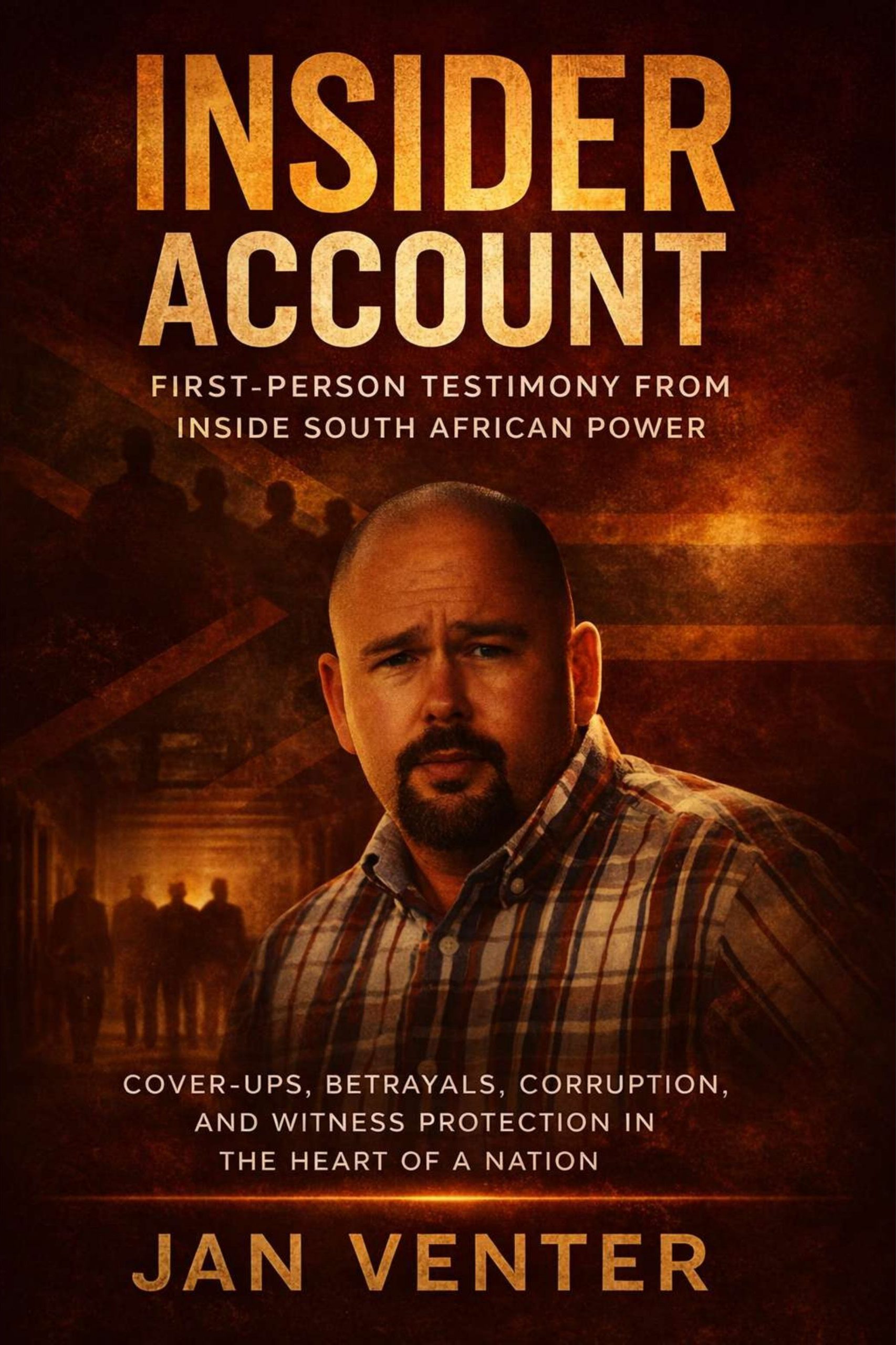
*Insider Account* describes the private environments surrounding political power, the people I encountered and the financial arrangements I experienced. *So I Wrote Again* examines the documentary trail, my dealings with the Hawks and NPA, witness protection and the consequences of becoming a whistleblower. *They Had the File* examines the official correspondence, submissions, decisions and the institutional questions that followed.
And these books are not simply written from memory. I retained emails, WhatsApp correspondence, documents, payment records and official communications. The books address difficult matters, including episodes that do not present me in a flattering light. Some of my own accounts require comparison with the full source records. I have not hidden that. This was never about writing a perfect portrait of myself. It was about preserving my testimony and allowing the supporting evidence, the contradictions and the competing accounts to be examined.
❤️ 𝗜 𝗛𝗔𝗩𝗘 𝗕𝗘𝗘𝗡 𝗧𝗛𝗥𝗢𝗨𝗚𝗛 𝗛𝗘𝗟𝗟 𝗔𝗡𝗗 𝗕𝗔𝗖𝗞. 𝗕𝗨𝗧 𝗜 𝗔𝗠 𝗦𝗧𝗜𝗟𝗟 𝗛𝗘𝗥𝗘.
I spent approximately fifteen months in witness protection. I subsequently endured years of publicity, unemployment difficulties, litigation and separation from the ordinary life I once had. I later spent two years and eleven days in prison in separate proceedings that ended without convictions, and I maintain my innocence. My children and loved ones have lived with the consequences. I will not apologise for insisting that the documentary record be examined.
To everybody who read yesterday's Exposé, look at what the Madlanga Commission is now examining. Look at the financial questions. Look at the explanations concerning cash and loans. Then ask whether similar rigour has been applied to older disclosures involving politically connected people and allegations concerning public intelligence funds.
𝗜 𝗥𝗘𝗣𝗢𝗥𝗧𝗘𝗗 𝗠𝗬 𝗖𝗢𝗡𝗖𝗘𝗥𝗡𝗦 𝗜𝗡 𝟮𝟬𝟭𝟴.
𝗜 𝗣𝗟𝗔𝗖𝗘𝗗 𝗙𝗨𝗥𝗧𝗛𝗘𝗥 𝗠𝗔𝗧𝗘𝗥𝗜𝗔𝗟 𝗕𝗘𝗙𝗢𝗥𝗘 𝗧𝗛𝗘 𝗠𝗔𝗗𝗟𝗔𝗡𝗚𝗔 𝗖𝗢𝗠𝗠𝗜𝗦𝗦𝗜𝗢𝗡 𝗜𝗡 𝟮𝟬𝟮𝟱.
𝗜 𝗔𝗠 𝗦𝗧𝗜𝗟𝗟 𝗗𝗘𝗠𝗔𝗡𝗗𝗜𝗡𝗚 𝗔𝗡𝗦𝗪𝗘𝗥𝗦 𝗜𝗡 𝟮𝟬𝟮𝟲.
𝗧𝗛𝗘 𝗡𝗔𝗠𝗘𝗦, 𝗗𝗔𝗧𝗘𝗦, 𝗠𝗘𝗘𝗧𝗜𝗡𝗚𝗦, 𝗣𝗔𝗬𝗠𝗘𝗡𝗧𝗦 𝗔𝗡𝗗 𝗗𝗢𝗖𝗨𝗠𝗘𝗡𝗧𝗔𝗥𝗬 𝗔𝗖𝗖𝗢𝗨𝗡𝗧𝗦 𝗔𝗥𝗘 𝗔𝗗𝗗𝗥𝗘𝗦𝗦𝗘𝗗 𝗜𝗡 𝗠𝗬 𝗠𝗘𝗠𝗢𝗜𝗥𝗦.
𝗜𝗧 𝗜𝗦 𝗡𝗢𝗧 𝗔𝗕𝗢𝗨𝗧 𝗥𝗘𝗩𝗘𝗡𝗚𝗘.
𝗜𝗧 𝗜𝗦 𝗔𝗕𝗢𝗨𝗧 𝗧𝗛𝗘 𝗧𝗥𝗨𝗧𝗛.
🔥 𝗜 𝗪𝗜𝗟𝗟 𝗡𝗢𝗧 𝗔𝗣𝗢𝗟𝗢𝗚𝗜𝗦𝗘 𝗙𝗢𝗥 𝗗𝗘𝗠𝗔𝗡𝗗𝗜𝗡𝗚 𝗜𝗧.
🔥 𝗔𝗡𝗗 𝗜 𝗪𝗜𝗟𝗟 𝗡𝗘𝗩𝗘𝗥 𝗦𝗧𝗢𝗣.
🌍 𝗧𝗛𝗥𝗘𝗘 𝗠𝗘𝗠𝗢𝗜𝗥𝗦 — 𝗜𝗡𝗧𝗘𝗥𝗡𝗔𝗧𝗜𝗢𝗡𝗔𝗟 𝗘𝗕𝗢𝗢𝗞 𝗣𝗥𝗘-𝗢𝗥𝗗𝗘𝗥𝗦 𝗔𝗥𝗘 𝗢𝗣𝗘𝗡.
📕 INSIDER ACCOUNT — 31 October 2026
https://books2read.com/u/4jlM6j
📂 SO I WROTE AGAIN — 31 October 2026
https://books2read.com/u/b61JeZ
⚖️ THEY HAD THE FILE — 15 November 2026
https://books2read.com/u/bzQqXG
🙏 Please FOLLOW Exposé on Facebook, FOLLOW my TikTok account, VISIT the website, and SHARE these publications. The books are about the truth, not personal enrichment. I intend to direct a substantial portion of the money I personally receive towards helping individuals fighting accountability battles without substantial institutional backing.
🌐 https://expose.org.za/
🎬 https://www.tiktok.com/@exposeorgza
#Expose #JanVenter #MadlangaCommission #CrimeIntelligence #StateSecurityAgency #DPCI #Hawks #IPID #Whistleblowing #SoIWroteAgain #InsiderAccount #TheyHadTheFile #SouthAfrica #Accountability #NeverStop
𝗘𝗩𝗜𝗗𝗘𝗡𝗧𝗜𝗔𝗥𝗬 𝗡𝗢𝗧𝗘: The allegations concerning Lieutenant-Colonel Govender remain contested; he is presumed innocent, and no connection is alleged between his finances and mine. My description of historical payments to me as bribes and my allegation concerning their ultimate intelligence-funding source are firsthand claims requiring full transaction-level verification, not findings of criminal guilt. The 2021 prosecutorial decision and relevant adverse credibility findings form part of the historical record. This publication does not identify legal practitioners covered by existing court restrictions.

𝗘𝗜𝗚𝗛𝗧 𝗬𝗘𝗔𝗥𝗦 𝗔𝗚𝗢, 𝗜 𝗪𝗘𝗡𝗧 𝗧𝗢 𝗧𝗛𝗘 𝗛𝗔𝗪𝗞𝗦 𝗪𝗜𝗧𝗛 𝗔𝗟𝗟𝗘𝗚𝗔𝗧𝗜𝗢𝗡𝗦 𝗢𝗙 𝗕𝗥𝗜𝗕𝗘𝗦, 𝗜𝗡𝗧𝗘𝗟𝗟𝗜𝗚𝗘𝗡𝗖𝗘 𝗠𝗢𝗡𝗘𝗬 𝗔𝗡𝗗 𝗣𝗢𝗟𝗜𝗧𝗜𝗖𝗔𝗟 𝗜𝗡𝗙𝗟𝗨𝗘𝗡𝗖𝗘. 𝗡𝗢𝗪 𝗦𝗢𝗨𝗧𝗛 𝗔𝗙𝗥𝗜𝗖𝗔 𝗜𝗦 𝗔𝗖𝗧𝗜𝗡𝗚 𝗔𝗦 𝗜𝗙 𝗜𝗧 𝗛𝗔𝗦 𝗝𝗨𝗦𝗧 𝗗𝗜𝗦𝗖𝗢𝗩𝗘𝗥𝗘𝗗 𝗧𝗛𝗘𝗦𝗘 𝗡𝗘𝗧𝗪𝗢𝗥𝗞𝗦.
🔥 𝗗𝗔𝗩𝗜𝗗 𝗠𝗔𝗕𝗨𝗭𝗔. 𝗦𝗧𝗔𝗧𝗘 𝗦𝗘𝗖𝗨𝗥𝗜𝗧𝗬. 𝗖𝗥𝗜𝗠𝗘 𝗜𝗡𝗧𝗘𝗟𝗟𝗜𝗚𝗘𝗡𝗖𝗘. 𝗟𝗘𝗚𝗔𝗟 𝗣𝗥𝗔𝗖𝗧𝗜𝗧𝗜𝗢𝗡𝗘𝗥𝗦. 𝗖𝗔𝗦𝗛. 𝗩𝗘𝗛𝗜𝗖𝗟𝗘𝗦. 𝗧𝗢𝗢𝗟𝗦. 𝗦𝗢-𝗖𝗔𝗟𝗟𝗘𝗗 𝗟𝗢𝗔𝗡𝗦. 𝗔𝗡𝗗 𝗔 𝗛𝗔𝗪𝗞𝗦 𝗜𝗡𝗩𝗘𝗦𝗧𝗜𝗚𝗔𝗧𝗜𝗢𝗡 𝗧𝗛𝗔𝗧 𝗗𝗜𝗗 𝗡𝗢𝗧 𝗘𝗩𝗘𝗡𝗧𝗨𝗔𝗟𝗟𝗬 𝗟𝗘𝗔𝗗 𝗧𝗢 𝗔 𝗣𝗥𝗢𝗦𝗘𝗖𝗨𝗧𝗜𝗢𝗡.
Today, 12 October 2026, reports emerged of a police search at the Johannesburg property of a tobacco businessman reportedly associated with former Crime Intelligence officer Feroz Khan. The initial reporting did not publicly identify the person whose property was searched. The Madlanga Commission has also been examining serious allegations concerning tobacco-industry relationships, police intelligence, alleged improper influence and politically connected networks. These are significant developments, and any allegations must be tested against the evidence. But I want to ask South Africans something much more uncomfortable: WHY IS EVERYBODY BEHAVING AS IF THE QUESTIONS SURROUNDING INTELLIGENCE MONEY, INFLUENTIAL INTERMEDIARIES AND POLITICAL POWER ONLY STARTED IN 2026? I was personally raising related issues long before the current Commission hearings. The financial arrangements I experienced date back to 2014. They were discussed in court, recorded in correspondence and later reported by newspapers. I then approached the Hawks in 2018. I was not reading about this world from the outside. I had been living inside parts of it.
𝗟𝗘𝗧 𝗠𝗘 𝗕𝗘 𝗔𝗕𝗦𝗢𝗟𝗨𝗧𝗘𝗟𝗬 𝗖𝗟𝗘𝗔𝗥: 𝗜 𝗖𝗔𝗟𝗟𝗘𝗗 𝗧𝗛𝗢𝗦𝗘 𝗣𝗔𝗬𝗠𝗘𝗡𝗧𝗦 𝗕𝗥𝗜𝗕𝗘𝗦. 𝗜 𝗦𝗧𝗜𝗟𝗟 𝗖𝗔𝗟𝗟 𝗧𝗛𝗘𝗠 𝗕𝗥𝗜𝗕𝗘𝗦.
That is how I understood the financial arrangements and why I believed they had to be reported to criminal investigators. I received substantial amounts of money, some directly and some through intermediaries or business arrangements. Financial support was provided in connection with my involvement in matters surrounding David Mabuza and the political disputes of that period. My allegation to the authorities was that elements of this support originated from State Security Agency and intelligence-related funds, moving through people and structures connected with political power. I specifically raised concerns about the involvement of State Security and Crime Intelligence resources. I did not merely ask investigators to determine whether someone had paid me R2,000 or R10,000. I wanted them to establish where the entire funding stream originated, who authorised it, which intermediaries handled it and what the money was intended to achieve. I maintain that these were corrupt inducements. That allegation requires examination of the original financial and intelligence records, not a superficial dismissal because somebody attached a respectable-looking description to a payment.
𝗔𝗡𝗗 𝗗𝗢 𝗡𝗢𝗧 𝗥𝗘𝗗𝗨𝗖𝗘 𝗧𝗛𝗜𝗦 𝗛𝗜𝗦𝗧𝗢𝗥𝗬 𝗧𝗢 𝗔 𝗙𝗘𝗪 𝗗𝗘𝗣𝗢𝗦𝗜𝗧𝗦 𝗥𝗘𝗣𝗢𝗥𝗧𝗘𝗗 𝗕𝗬 𝗧𝗛𝗘 𝗡𝗘𝗪𝗦𝗣𝗔𝗣𝗘𝗥𝗦.
THERE WERE MONTHLY PAYMENTS. THERE WAS CASH. THERE WERE VEHICLES. THERE WERE TOOLS. THERE WERE EXPENSES, ACCOMMODATION, TRAVEL, LEGAL COSTS AND PAYMENTS TO ASSIST WITH MY FAMILY OBLIGATIONS. Some arrangements were described as employment. Others were described as consultancy work, research, advances or loans. I still have the original emails. I still have the correspondence. I still have the documents and the chronology. On 14 November 2017, an email addressed to me expressly referred to a R20,000 salary payment and requested an invoice dated retrospectively. The same email listed further payments and amounts described as loans, including a bakkie and tools. On 9 March 2018, a formal letter confirmed that both my son and I were receiving approximately R20,000 each per month and identified an additional R75,000 in advances. This was not occasional generosity from somebody who happened to feel sorry for me. It was a substantial, continuing financial relationship. And I want every component of it examined.
𝗡𝗢𝗪 𝗛𝗘𝗥𝗘 𝗜𝗦 𝗢𝗡𝗘 𝗢𝗙 𝗧𝗛𝗘 𝗠𝗢𝗦𝗧 𝗗𝗜𝗦𝗧𝗨𝗥𝗕𝗜𝗡𝗚 𝗣𝗔𝗥𝗧𝗦 𝗢𝗙 𝗧𝗛𝗘 𝗘𝗡𝗧𝗜𝗥𝗘 𝗙𝗜𝗡𝗔𝗡𝗖𝗜𝗔𝗟 𝗥𝗘𝗖𝗢𝗥𝗗.
Many of these amounts were described in correspondence as LOANS. Let me explain why I dispute that description. I say that I never repaid a cent of the substantial amounts treated as loans, and I question whether repayment was ever genuinely expected in the ordinary commercial sense. Yes, the emails contain demands and discussions about repayment, and those must also be examined. But where are the complete loan agreements? Where are the repayment schedules? Where is the ledger showing what was advanced, what was recovered, what was written off and why? Where is the commercial justification for the arrangement? Where are the actual deliverables supporting the invoices and the claimed remuneration? My contention is that contracts, salaries, invoices and so-called loans were used to give suspect financial support an appearance of legitimacy. I regard that as a possible money-laundering mechanism. Whether the statutory elements of money laundering can be proved is for investigators and the courts to establish. But nobody should expect me to pretend that the documentary arrangements are beyond scrutiny because somebody typed the word “loan” into an email.
𝗔𝗡𝗗 𝗜 𝗪𝗔𝗦 𝗔𝗟𝗥𝗘𝗔𝗗𝗬 𝗣𝗨𝗧𝗧𝗜𝗡𝗚 𝗧𝗛𝗘𝗦𝗘 𝗠𝗔𝗧𝗧𝗘𝗥𝗦 𝗜𝗡 𝗪𝗥𝗜𝗧𝗜𝗡𝗚 𝗟𝗢𝗡𝗚 𝗕𝗘𝗙𝗢𝗥𝗘 𝗧𝗛𝗘 𝗠𝗔𝗗𝗟𝗔𝗡𝗚𝗔 𝗖𝗢𝗠𝗠𝗜𝗦𝗦𝗜𝗢𝗡 𝗘𝗫𝗜𝗦𝗧𝗘𝗗.
In March 2018, I sent correspondence to David Mabuza's office describing financial and practical arrangements arising from my relationship with him and people around him. I referred to a vehicle bought for me, with proof of payment. I referred to money handed to me by people associated with him. I referred to cash given to me personally, school-fee assistance, a firearm, electronic equipment, travel assistance and relocation expenses. Those were my contemporaneous statements, not recollections invented eight years later to suit a new newspaper headline. On 5 May 2017, Judge Bill Prinsloo had already delivered judgment in the High Court matter involving David Mabuza and Mathews Phosa. That judgment expressly recorded as common cause that substantial amounts of money had been channelled to me through intermediaries. The judge recorded his strong impression that the money came from Mabuza. Those are matters in an actual High Court judgment. The judgment also criticised my credibility, and I am not concealing that. But the existence of substantial payments was not merely an allegation created in 2026. The judgment is public record.
𝗔𝗡𝗗 𝗧𝗛𝗘 𝗦𝗧𝗔𝗧𝗘 𝗦𝗘𝗖𝗨𝗥𝗜𝗧𝗬 𝗤𝗨𝗘𝗦𝗧𝗜𝗢𝗡 𝗪𝗔𝗦 𝗔𝗟𝗥𝗘𝗔𝗗𝗬 𝗜𝗡 𝗣𝗨𝗕𝗟𝗜𝗖 𝗥𝗘𝗣𝗢𝗥𝗧𝗜𝗡𝗚 𝗜𝗡 𝟮𝟬𝟭𝟳.
The *Sunday Times* reported in November 2017 that SARS had investigated financial dealings involving prominent legal practitioners and had traced further undisclosed funds in a practitioner's account to SAPS Crime Intelligence and the State Security Agency. The practitioner maintained that the intelligence-related dealings were professional. I am not naming that practitioner in this publication, in observance of applicable court restrictions. But the wider historical question cannot be dismissed: what were the mandates for those payments, which State accounts funded them, what services were actually provided and what happened to the money afterwards? My allegation is that intelligence-linked funds formed part of the financial arrangements that ultimately benefited me through political and professional intermediaries. The newspaper's reporting does not, by itself, prove the complete route of money to me. That is precisely why I have been demanding that the original bank statements, State disbursement records and internal authorisations be examined together.
𝗔𝗡𝗗 𝗗𝗢 𝗡𝗢𝗧 𝗙𝗢𝗥𝗚𝗘𝗧 𝗧𝗛𝗘 𝗣𝗢𝗟𝗜𝗧𝗜𝗖𝗔𝗟 𝗖𝗢𝗡𝗡𝗘𝗖𝗧𝗜𝗢𝗡𝗦 𝗦𝗨𝗥𝗥𝗢𝗨𝗡𝗗𝗜𝗡𝗚 𝗦𝗧𝗔𝗧𝗘 𝗦𝗘𝗖𝗨𝗥𝗜𝗧𝗬.
David Mahlobo served as Minister of State Security during the relevant period and had longstanding political and personal links with David Mabuza. The State Capture Commission subsequently examined substantial flows of cash connected with the State Security Agency during Mahlobo's tenure. That evidence raises legitimate questions about the handling and ultimate use of covert funds, although it does not establish that any particular amount reached me. I have always maintained that the relevant investigators must examine the political, professional and intelligence-related connections together. It is not enough to establish that money left a State institution. It is necessary to find out who controlled it, where it went, how it was documented and whether any part of it ended up financing improper private arrangements. That is the financial investigation I have been calling for. My allegation is serious. So should be the investigation of it.
𝗜𝗡 𝟮𝟬𝟭𝟴, 𝗜 𝗪𝗘𝗡𝗧 𝗧𝗢 𝗧𝗛𝗘 𝗛𝗔𝗪𝗞𝗦 𝗕𝗘𝗖𝗔𝗨𝗦𝗘 𝗜 𝗪𝗔𝗦 𝗣𝗥𝗘𝗣𝗔𝗥𝗘𝗗 𝗧𝗢 𝗣𝗨𝗧 𝗔𝗟𝗟 𝗢𝗙 𝗧𝗛𝗜𝗦 𝗕𝗘𝗙𝗢𝗥𝗘 𝗜𝗡𝗩𝗘𝗦𝗧𝗜𝗚𝗔𝗧𝗢𝗥𝗦 — 𝗜𝗡𝗖𝗟𝗨𝗗𝗜𝗡𝗚 𝗧𝗛𝗘 𝗣𝗔𝗥𝗧𝗦 𝗜𝗡𝗩𝗢𝗟𝗩𝗜𝗡𝗚 𝗠𝗘.
I did not drive to the Hawks expecting praise or protection. I genuinely believed I could be arrested for matters arising from my own involvement. I had decided that the truth needed to be placed before investigators regardless of what it cost me. Colonel Herbie Heap was involved as investigating officer. DPCI Head Office Enquiry 14/05/2018 was opened. The seriousness of my circumstances led to discussions about witness protection. THE AUTHORITIES PROPOSED PROTECTION TO ME. I DID NOT APPROVE MYSELF FOR ADMISSION. The Witness Protection Act places the approval decision with the Director, who must consider relevant risk and evidentiary factors. The State assessed and approved my placement. I remained protected for approximately fifteen months. And after all that, I watched a public narrative develop in which I was portrayed as somebody simply trying to obtain State financial support. I reject that characterisation of my motives. I went to the Hawks knowing I might lose my freedom. I went because I believed the financial and political history required investigation.
𝗜 𝗛𝗔𝗩𝗘 𝗥𝗘𝗣𝗘𝗔𝗧𝗘𝗗𝗟𝗬 𝗥𝗘𝗙𝗘𝗥𝗥𝗘𝗗 𝗧𝗢 𝗠𝗬 𝗦𝗘𝗖𝗧𝗜𝗢𝗡 𝟮𝟬𝟰 𝗖𝗢𝗢𝗣𝗘𝗥𝗔𝗧𝗜𝗢𝗡 𝗔𝗡𝗗 𝗧𝗛𝗘 𝗦𝗧𝗔𝗧𝗘𝗠𝗘𝗡𝗧 𝗜 𝗦𝗔𝗬 𝗜 𝗦𝗜𝗚𝗡𝗘𝗗.
Let me make the point plainly. I was willing to disclose information that might be uncomfortable for powerful people and for me. Section 204 of the Criminal Procedure Act provides for the possible discharge from prosecution of a witness for specified offences when the statutory requirements are satisfied and a court makes the required finding. It is not automatic immunity for signing a statement. My willingness to cooperate did not depend on pretending I had never received money. Quite the opposite. I wanted the investigators to know about the arrangements and establish the facts. I had been part of the financial story. I knew the people involved in paying me. I had witnessed private meetings. I had retained correspondence. I was not asking the Hawks to investigate a rumour from a newspaper. I was describing events I had experienced myself and supplying information from which the source of the payments could be investigated.
𝗡𝗢𝗪 𝗛𝗘𝗥𝗘 𝗜𝗦 𝗧𝗛𝗘 𝗗𝗘𝗩𝗔𝗦𝗧𝗔𝗧𝗜𝗡𝗚 𝗤𝗨𝗘𝗦𝗧𝗜𝗢𝗡 𝗙𝗢𝗥 𝗧𝗛𝗘 𝗡𝗣𝗔.
On 30 December 2025, the Hawks confirmed in writing that the original enquiry became Nelspruit CAS 250/12/2019. They confirmed that the investigation was guided by a prosecutor from beginning to end, that more than fifty affidavits and banking material had been obtained, and that the matter had been referred to the Director of Public Prosecutions. They confirmed that prosecution was declined in May 2021. In February 2026, the prosecutorial reasons furnished to me placed substantial emphasis on my credibility, including the adverse findings in the 2017 civil judgment, contradictions in my statements and the assessment of other witnesses' versions. Those matters were relevant to prosecutorial evaluation. But WHAT HAPPENED TO THE FINANCIAL TRAIL? Which State accounts were checked? Which payments were matched to specific invoices? Which contracts were examined? Which witnesses were questioned about the purpose of the funds? What conclusions were reached about the alleged intelligence-money links? A docket containing more than fifty affidavits does not prove guilt, and a prosecutor can lawfully decide there is insufficient evidence. But the size and substance of that investigation make it reasonable to demand an explanation of how the financial questions were addressed.
𝗔𝗡𝗗 𝗡𝗢𝗪 𝗜 𝗔𝗗𝗗𝗥𝗘𝗦𝗦 𝗙𝗢𝗥𝗠𝗘𝗥 𝗡𝗔𝗧𝗜𝗢𝗡𝗔𝗟 𝗗𝗜𝗥𝗘𝗖𝗧𝗢𝗥 𝗢𝗙 𝗣𝗨𝗕𝗟𝗜𝗖 𝗣𝗥𝗢𝗦𝗘𝗖𝗨𝗧𝗜𝗢𝗡𝗦 𝗦𝗛𝗔𝗠𝗜𝗟𝗔 𝗕𝗔𝗧𝗢𝗛𝗜.
Advocate Batohi, you became NDPP in February 2019. My initial disclosure and admission to witness protection predated your appointment. But the subsequent DPP decision not to prosecute was taken in 2021, while you headed the National Prosecuting Authority. My personal belief is that the prosecutorial response during your leadership protected powerful political and professional interests from the scrutiny they deserved. I question whether the rank and influence of the people involved affected how the case was assessed and pursued. That is my allegation and the conclusion I have drawn from my experience; it is not an established finding that you personally ordered a cover-up. I want to know what information reached your office, what oversight occurred, whether the intelligence-funding concerns were escalated, and whether any conflicts or political sensitivities influenced the final handling of the docket. If the answer is that all decisions were properly made on the evidence, produce an accountable explanation through the lawful channels. And if the answers reveal that important evidence was not pursued, let the responsible decision-makers account for that.
𝗪𝗛𝗬 𝗦𝗛𝗢𝗨𝗟𝗗 𝗔𝗡𝗬𝗢𝗡𝗘 𝗕𝗘 𝗦𝗨𝗥𝗣𝗥𝗜𝗦𝗘𝗗 𝗧𝗛𝗔𝗧 𝗜 𝗔𝗠 𝗦𝗧𝗜𝗟𝗟 𝗗𝗘𝗠𝗔𝗡𝗗𝗜𝗡𝗚 𝗔𝗡𝗦𝗪𝗘𝗥𝗦?
The man at the centre of my original allegations later became Deputy President of South Africa. The State Security Minister associated with his political circle occupied one of the country's most sensitive portfolios. Senior legal practitioners and professional intermediaries featured in the surrounding financial history. These were not obscure people operating without influence or access. That fact does not prove improper intervention in a prosecutorial decision. But it is precisely the kind of situation in which independent scrutiny, documentary preservation and transparent reasons are essential. Political office should never become an invisible shield against lawful investigation. Nor should a witness's damaged reputation become a substitute for tracing money. I have been asking the State to examine the underlying transactions, not to accept my accusations merely because I make them. If my interpretation is wrong, let the source records demonstrate where the payments actually originated and what they were genuinely for.
𝗔𝗡𝗗 𝗧𝗛𝗜𝗦 𝗜𝗦 𝗪𝗛𝗬 𝗜 𝗦𝗨𝗕𝗠𝗜𝗧𝗧𝗘𝗗 𝗧𝗛𝗘 𝗠𝗔𝗧𝗘𝗥𝗜𝗔𝗟 𝗔𝗚𝗔𝗜𝗡 𝗜𝗡 𝟮𝟬𝟮𝟱.
On 25 and 26 September 2025, I made submissions through parliamentary and intelligence-oversight channels. On 1 October 2025, my formal disclosure concerning Crime Intelligence, State Security-related funds and political interference was registered with the Madlanga Commission under reference 016004. I continued providing information in 2026. In May, the Commission acknowledged that the matter was with its investigative team. I have submitted documentary material, indexes, correspondence and requests for records. I am not claiming that my submission proves all the allegations or that the Commission has made findings in my favour. I am saying that it received the concerns and was provided with a route to the relevant evidence. So when the public now hears about Feroz Khan, Crime Intelligence, tobacco interests, police corruption and powerful professional relationships, I ask investigators to examine what was already known, which older cases overlap, which allegations are genuinely new and which records should have been compared years ago. Do not pretend every emerging story began on the day it reached a television screen.
𝗔𝗡𝗗 𝗗𝗢 𝗡𝗢𝗧 𝗠𝗜𝗦𝗦 𝗧𝗛𝗘 𝗣𝗢𝗜𝗡𝗧 𝗔𝗕𝗢𝗨𝗧 𝗧𝗛𝗘 𝗟𝗘𝗚𝗔𝗟 𝗣𝗥𝗔𝗖𝗧𝗜𝗧𝗜𝗢𝗡𝗘𝗥𝗦.
I am deliberately not identifying certain individuals in this public post because existing court restrictions must be respected. That does not mean the financial or professional arrangements are exempt from lawful scrutiny. Representation of a client is not a crime. Providing legitimate legal advice is not corruption. But financial dealings involving public intelligence resources, unexplained benefits, private intermediaries and politically connected clients deserve examination on their actual terms. Who funded the arrangements? What contracts were signed? What services were genuinely supplied? What did the bank statements show? What was declared to tax authorities? What was represented as a loan, and what was ever repaid? Those questions should be asked of all relevant parties, without pre-judging criminal guilt and without allowing a professional title to end the inquiry before it begins.
𝗧𝗛𝗘𝗦𝗘 𝗔𝗥𝗘 𝗡𝗢𝗧 𝗝𝗨𝗦𝗧 𝗠𝗘𝗠𝗢𝗥𝗜𝗘𝗦. 𝗧𝗛𝗘𝗥𝗘 𝗔𝗥𝗘 𝗢𝗥𝗜𝗚𝗜𝗡𝗔𝗟 𝗘𝗠𝗔𝗜𝗟𝗦, 𝗖𝗢𝗡𝗧𝗘𝗠𝗣𝗢𝗥𝗔𝗡𝗘𝗢𝗨𝗦 𝗗𝗢𝗖𝗨𝗠𝗘𝗡𝗧𝗦, 𝗖𝗢𝗨𝗥𝗧 𝗥𝗘𝗖𝗢𝗥𝗗𝗦 𝗔𝗡𝗗 𝗢𝗙𝗙𝗜𝗖𝗜𝗔𝗟 𝗥𝗘𝗣𝗟𝗜𝗘𝗦.
I still possess extensive correspondence, including emails and WhatsApp material. I have preserved documents dealing with financial arrangements, payments, dates, invoices, meetings, legal representation and my approaches to the authorities. Some matters are corroborated by original documents. Others are firsthand testimony requiring comparison with competing evidence. The source of individual financial transfers remains a matter requiring complete forensic reconciliation. I have never claimed that a document proves more than it actually records. But the existence of original correspondence means that these events are not limited to what I happen to remember today. There are dated records created while the events were unfolding. The public deserves to know which parts can be established, which remain contested and why the institutions entrusted with investigating them reached the decisions they did.
⠀
📚 𝗧𝗛𝗥𝗘𝗘 𝗠𝗘𝗠𝗢𝗜𝗥𝗦. 𝗙𝗜𝗙𝗧𝗘𝗘𝗡 𝗬𝗘𝗔𝗥𝗦 𝗢𝗙 𝗘𝗫𝗣𝗘𝗥𝗜𝗘𝗡𝗖𝗘. 𝗔𝗡𝗗 𝗔 𝗥𝗘𝗖𝗢𝗥𝗗 𝗧𝗛𝗔𝗧 𝗜 𝗔𝗠 𝗡𝗢 𝗟𝗢𝗡𝗚𝗘𝗥 𝗣𝗥𝗘𝗣𝗔𝗥𝗘𝗗 𝗧𝗢 𝗟𝗘𝗔𝗩𝗘 𝗨𝗡𝗧𝗢𝗟𝗗.
📕 INSIDER ACCOUNT — the private political world I experienced, the people I encountered, the money, the relationships, the meetings and the consequences of becoming involved with influential individuals.
📂 SO I WROTE AGAIN — the documentary and personal consequences of going to the Hawks, becoming a protected witness, dealing with the NPA, and confronting the allegations made about me.
⚖️ THEY HAD THE FILE — the record of what was submitted to institutions, the affidavits and correspondence, the prosecutorial decisions, the financial evidence and the questions that remain unanswered.
NAMES ARE MENTIONED IN THE MEMOIRS. DATES ARE RECORDED. DOCUMENTS AND CORRESPONDENCE ARE EXAMINED. MY ACCOUNT IS SET OUT IN DETAIL.
The books distinguish what I personally witnessed from allegations, official findings and matters that still require investigation. They also address the difficult parts of my own history rather than pretending those parts do not exist. I am prepared to have the evidence tested. That is why I have written the books.
𝗔𝗡𝗗 𝗡𝗢𝗪 𝗜 𝗪𝗔𝗡𝗧 𝗧𝗢 𝗦𝗔𝗬 𝗦𝗢𝗠𝗘𝗧𝗛𝗜𝗡𝗚 𝗣𝗘𝗥𝗦𝗢𝗡𝗔𝗟.
I have been through hell and back. I lost precious time with my children and loved ones. I endured approximately fifteen months in witness protection. I later spent two years and eleven days in prison in separate proceedings that ended without convictions, and I maintain my innocence in those matters. I experienced years of damaging publicity, difficulty finding work, financial hardship and exhausting battles for answers. I have watched my name debated publicly while essential parts of the original record remained unexplored. I am still here.
There is a saying that a man with nothing left to lose is the most dangerous man of all.
Let me explain what that means to me. Not violence. Not threats. Not revenge.
𝗜 𝗔𝗠 𝗗𝗔𝗡𝗚𝗘𝗥𝗢𝗨𝗦 𝗧𝗢 𝗔 𝗙𝗔𝗟𝗦𝗘 𝗡𝗔𝗥𝗥𝗔𝗧𝗜𝗩𝗘 𝗕𝗘𝗖𝗔𝗨𝗦𝗘 𝗜 𝗪𝗜𝗟𝗟 𝗡𝗢𝗧 𝗦𝗧𝗢𝗣 𝗜𝗡𝗦𝗜𝗦𝗧𝗜𝗡𝗚 𝗧𝗛𝗔𝗧 𝗧𝗛𝗘 𝗗𝗢𝗖𝗨𝗠𝗘𝗡𝗧𝗦 𝗕𝗘 𝗘𝗫𝗔𝗠𝗜𝗡𝗘𝗗.
This is not about revenge. It is about the truth. It is about my children knowing what happened. It is about those who stood beside me knowing why I continued. And it is about the South African public having an opportunity to examine what I experienced and what the official record actually shows.
❤️ 𝗔𝗡𝗗 𝗧𝗛𝗘 𝗕𝗢𝗢𝗞𝗦 𝗪𝗘𝗥𝗘 𝗡𝗘𝗩𝗘𝗥 𝗪𝗥𝗜𝗧𝗧𝗘𝗡 𝗣𝗥𝗜𝗠𝗔𝗥𝗜𝗟𝗬 𝗙𝗢𝗥 𝗠𝗢𝗡𝗘𝗬.
I have decided that a substantial portion of the money I personally receive from them will be directed towards assisting individuals fighting difficult battles for accountability without the backing of major organisations. My intention is not to direct it towards well-funded organisations such as Solidarity or AfriForum. I want to help ordinary individuals who have struggled alone, faced institutions with vastly greater resources and continued standing up for what they believe is right. The practical details and recipients will be made transparent as book proceeds become available.
Because I know exactly how difficult it can be to stand alone.
🌍 𝗜𝗡𝗧𝗘𝗥𝗡𝗔𝗧𝗜𝗢𝗡𝗔𝗟 𝗘𝗕𝗢𝗢𝗞 𝗣𝗥𝗘-𝗢𝗥𝗗𝗘𝗥𝗦 𝗔𝗥𝗘 𝗔𝗟𝗥𝗘𝗔𝗗𝗬 𝗢𝗣𝗘𝗡.
📕 INSIDER ACCOUNT — 31 October 2026
https://books2read.com/u/4jlM6j
📂 SO I WROTE AGAIN — 31 October 2026
https://books2read.com/u/b61JeZ
⚖️ THEY HAD THE FILE — 15 November 2026
https://books2read.com/u/bzQqXG
📢 PLEASE FOLLOW AND SHARE EXPOSÉ. Help this documentary record reach the people who deserve the opportunity to examine it.
🌐 Website: https://expose.org.za/
🎬 TikTok: https://www.tiktok.com/@exposeorgza
🙏 Follow the Facebook page, follow the TikTok account, visit the website and share these publications with people interested in South Africa's political history, whistleblowing and institutional accountability.
𝗜 𝗦𝗣𝗢𝗞𝗘 𝗧𝗢 𝗧𝗛𝗘 𝗛𝗔𝗪𝗞𝗦 𝗜𝗡 𝟮𝟬𝟭𝟴.
𝗜 𝗦𝗨𝗕𝗠𝗜𝗧𝗧𝗘𝗗 𝗙𝗨𝗥𝗧𝗛𝗘𝗥 𝗘𝗩𝗜𝗗𝗘𝗡𝗖𝗘 𝗜𝗡 𝟮𝟬𝟮𝟱.
𝗜 𝗔𝗠 𝗦𝗧𝗜𝗟𝗟 𝗗𝗘𝗠𝗔𝗡𝗗𝗜𝗡𝗚 𝗔𝗡𝗦𝗪𝗘𝗥𝗦 𝗜𝗡 𝟮𝟬𝟮𝟲.
𝗠𝗬 𝗠𝗘𝗠𝗢𝗜𝗥𝗦 𝗖𝗢𝗡𝗧𝗔𝗜𝗡 𝗧𝗛𝗘 𝗡𝗔𝗠𝗘𝗦, 𝗗𝗔𝗧𝗘𝗦 𝗔𝗡𝗗 𝗗𝗘𝗧𝗔𝗜𝗟𝗘𝗗 𝗔𝗖𝗖𝗢𝗨𝗡𝗧𝗦. 𝗧𝗛𝗘 𝗣𝗨𝗕𝗟𝗜𝗖 𝗖𝗔𝗡 𝗥𝗘𝗔𝗗 𝗠𝗬 𝗥𝗘𝗖𝗢𝗥𝗗 𝗔𝗡𝗗 𝗘𝗫𝗔𝗠𝗜𝗡𝗘 𝗧𝗛𝗘 𝗘𝗩𝗜𝗗𝗘𝗡𝗖𝗘.
𝗜 𝗪𝗜𝗟𝗟 𝗡𝗢𝗧 𝗔𝗣𝗢𝗟𝗢𝗚𝗜𝗦𝗘 𝗙𝗢𝗥 𝗗𝗘𝗠𝗔𝗡𝗗𝗜𝗡𝗚 𝗧𝗛𝗘 𝗧𝗥𝗨𝗧𝗛.
🔥 𝗡𝗘𝗩𝗘𝗥 𝗦𝗧𝗢𝗣.
#Expose #JanVenter #InsiderAccount #SoIWroteAgain #TheyHadTheFile #MadlangaCommission #CrimeIntelligence #StateSecurityAgency #DPCI #Hawks #NPA #Whistleblowers #PoliticalAccountability #SouthAfrica #NeverStop
𝗘𝗩𝗜𝗗𝗘𝗡𝗧𝗜𝗔𝗥𝗬 𝗡𝗢𝗧𝗘: The financial correspondence and the 2017 High Court judgment establish substantial payments and benefits. My description of these as bribes and possible laundering arrangements is an allegation requiring criminal and forensic determination, not an existing finding of guilt. Published reporting attributed certain intelligence-linked funds to a legal practitioner's account; the complete transactional link to payments made to me has not been independently established here. The 2021 decision not to prosecute and the adverse findings concerning my credibility are acknowledged. My concerns regarding former NDPP Shamila Batohi's leadership are my personal assessment, not proof that she personally ordered unlawful interference. The initially unnamed subject of the reported October 2026 police raid is not identified in this publication. Existing court orders and lawful confidentiality obligations remain applicable.

🚨 𝗧𝗛𝗘 𝗔𝗡𝗖 𝗦𝗔𝗬𝗦 𝗜𝗧 𝗗𝗜𝗗 𝗡𝗢𝗧 𝗡𝗘𝗘𝗗 𝗧𝗢 𝗣𝗥𝗘𝗦𝗦 “𝗦𝗨𝗕𝗠𝗜𝗧 𝗔𝗦 𝗙𝗜𝗡𝗔𝗟”. 𝗧𝗥𝗬 𝗧𝗘𝗟𝗟𝗜𝗡𝗚 𝗦𝗔𝗥𝗦 𝗧𝗛𝗔𝗧 𝗬𝗢𝗨 𝗦𝗔𝗩𝗘𝗗 𝗬𝗢𝗨𝗥 𝗧𝗔𝗫 𝗥𝗘𝗧𝗨𝗥𝗡 𝗕𝗨𝗧 𝗡𝗘𝗩𝗘𝗥 𝗦𝗨𝗕𝗠𝗜𝗧𝗧𝗘𝗗 𝗜𝗧.
🔥 𝗪𝗘𝗟𝗖𝗢𝗠𝗘 𝗧𝗢 𝗦𝗢𝗨𝗧𝗛 𝗔𝗙𝗥𝗜𝗖𝗔𝗡 𝗣𝗢𝗟𝗜𝗧𝗜𝗖𝗦 — 𝗪𝗛𝗘𝗥𝗘 𝗧𝗛𝗘 𝗣𝗨𝗕𝗟𝗜𝗖 𝗛𝗘𝗔𝗥𝗦 𝗢𝗡𝗘 𝗡𝗔𝗥𝗥𝗔𝗧𝗜𝗩𝗘, 𝗕𝗨𝗧 𝗧𝗛𝗘 𝗥𝗘𝗔𝗟 𝗦𝗧𝗢𝗥𝗬 𝗢𝗙𝗧𝗘𝗡 𝗕𝗘𝗚𝗜𝗡𝗦 𝗕𝗘𝗛𝗜𝗡𝗗 𝗖𝗟𝗢𝗦𝗘𝗗 𝗗𝗢𝗢𝗥𝗦.
Today, 12 October 2026, the African National Congress appeared before the Constitutional Court over 181 candidate nominations affecting six municipalities. The party had entered candidate information and uploaded documents before the deadline. But the final electronic step, clearly labelled “Submit as Final”, had not been completed. The Electoral Commission rejected the affected nominations. The Electoral Court ruled against the ANC. Today the matter reached the Constitutional Court, where the ANC argued that the final software confirmation was not itself a statutory requirement. Now consider what ordinary South Africans are expected to understand every day when dealing with government institutions. We must complete forms. We must respect deadlines. We must check the requirements. And when an electronic process requires final submission, we are expected to complete it. Yet here we have a major political party arguing that the information already captured on the IEC's system should count even though the final confirmation was not completed. It is entirely legitimate for the court to examine the law. But surely the public is equally entitled to ask who was responsible for this administrative failure.
𝗡𝗢𝗪 𝗟𝗘𝗧 𝗠𝗘 𝗔𝗦𝗞 𝗘𝗩𝗘𝗥𝗬𝗢𝗡𝗘 𝗜𝗡 𝗦𝗢𝗨𝗧𝗛 𝗔𝗙𝗥𝗜𝗖𝗔 𝗔 𝗩𝗘𝗥𝗬 𝗦𝗜𝗠𝗣𝗟𝗘 𝗤𝗨𝗘𝗦𝗧𝗜𝗢𝗡.
What happens when YOU go onto SARS eFiling, complete your income-tax return, save all the information, and then fail to press the button that submits the return to SARS? Do you imagine the South African Revenue Service will automatically regard your return as filed merely because the information was sitting on its computer system? SARS's own published guidance expressly distinguishes saving a return from filing it. The taxpayer must submit the return. A required return that remains outstanding can trigger administrative penalties. SARS says these penalties can range from R250 to R16,000 per month, depending on the taxpayer's circumstances, and may recur while the relevant non-compliance continues. There are lawful procedures to seek remission or dispute a penalty, but saving a form is not generally the same as submitting it. THIS IS NOT MY INTERPRETATION. IT IS SARS'S OWN PUBLISHED PROCEDURE.
𝗦𝗢 𝗜𝗠𝗔𝗚𝗜𝗡𝗘 𝗧𝗛𝗘 𝗢𝗥𝗗𝗜𝗡𝗔𝗥𝗬 𝗧𝗔𝗫𝗣𝗔𝗬𝗘𝗥 𝗧𝗘𝗟𝗟𝗜𝗡𝗚 𝗦𝗔𝗥𝗦 𝗧𝗛𝗘 𝗙𝗢𝗟𝗟𝗢𝗪𝗜𝗡𝗚:
“I completed the return. I uploaded all the information. Everything was saved on your system. I simply didn't press the final submission button. Therefore, you must consider it submitted.”
What do you think the response would be? SARS has a formal distinction between a saved return and a submitted return. Taxpayers who fail to meet filing obligations may be penalised. In more serious tax matters, the law also provides for prosecution where the elements of a particular criminal offence are established. Nobody should pretend that forgetting a submission button automatically results in imprisonment; it does not. But the point is serious enough without exaggeration. Ordinary people can face real financial and legal consequences for non-compliance with administrative requirements. They cannot simply assume that an incomplete process becomes complete because they intended to finish it. If that principle matters when an individual deals with SARS, why should the legal meaning of submission be treated as an unimportant detail when a political party deals with the IEC?
𝗔𝗡𝗗 𝗧𝗛𝗘𝗡 𝗖𝗔𝗠𝗘 𝗢𝗡𝗘 𝗢𝗙 𝗧𝗢𝗗𝗔𝗬'𝗦 𝗠𝗢𝗦𝗧 𝗥𝗘𝗠𝗔𝗥𝗞𝗔𝗕𝗟𝗘 𝗖𝗢𝗨𝗥𝗧𝗥𝗢𝗢𝗠 𝗔𝗥𝗚𝗨𝗠𝗘𝗡𝗧𝗦.
The ANC's advocate compared the situation to a university student who had submitted a draft essay and intended to make further changes before the deadline. The argument was that once the deadline passed, the material already on the system became final because it could no longer be changed. But that analogy raises an obvious practical difficulty. A draft saved on a system is not necessarily the same as work formally submitted for assessment. A university's submission rules determine when work is lodged. SARS's filing rules determine when a tax return is submitted. And electoral legislation, regulations and lawful administrative procedures determine when a candidate nomination is completed. The legal question is whether the IEC's particular final-confirmation requirement was authorised by the applicable electoral framework. The ordinary administrative question is why the ANC did not complete the procedure that the IEC says was communicated to every party. The existence of the first question does not eliminate the second.
𝗔𝗡𝗗 𝗡𝗢𝗪 𝗜𝗧 𝗕𝗘𝗖𝗢𝗠𝗘𝗦 𝗘𝗩𝗘𝗡 𝗠𝗢𝗥𝗘 𝗗𝗜𝗙𝗙𝗜𝗖𝗨𝗟𝗧 𝗧𝗢 𝗘𝗫𝗣𝗟𝗔𝗜𝗡.
According to the IEC's submissions, political parties received training and guidance on the electronic nomination system. The commission says the software displayed warnings and that reminders identified outstanding final submissions. Its position is that the ANC did not complete the required process before the deadline. The ANC's legal representatives, on the other hand, maintain that the final button was not a legally prescribed condition and that the substantive information had already been supplied. Today's hearing included judicial questions about both the legal basis of the button and the party's failure to complete its nominations in these particular municipalities. The ANC also referred to contact with the IEC help desk shortly before the deadline. These are facts and competing claims the court must assess. But WHERE IS THE INTERNAL ACCOUNTABILITY? Who was assigned to complete the nominations? Who supervised them? Who checked the submission status? Who read the warnings? Who had final responsibility for ensuring that everything was submitted before 5pm on 28 August? Was responsibility located at the party's national headquarters, within the provincial structures, or among the nominated administrators? These questions require evidence, not another political speech.
𝗔𝗡𝗗 𝗧𝗛𝗔𝗧 𝗜𝗦 𝗪𝗛𝗘𝗥𝗘 𝗠𝗬 𝗙𝗜𝗥𝗦𝗧 𝗠𝗘𝗠𝗢𝗜𝗥, 𝗜𝗡𝗦𝗜𝗗𝗘𝗥 𝗔𝗖𝗖𝗢𝗨𝗡𝗧, 𝗕𝗘𝗖𝗢𝗠𝗘𝗦 𝗣𝗔𝗥𝗧𝗜𝗖𝗨𝗟𝗔𝗥𝗟𝗬 𝗥𝗘𝗟𝗘𝗩𝗔𝗡𝗧.
I have spent years around some of the most powerful people in South African political life. I did not sit in Parliament as an elected representative. I did not serve as a cabinet minister. I was an ordinary man working inside the private environments surrounding political power. I was inside homes, offices and family settings. I dealt with security, access, arrangements, confidential matters and the practical workings of influential households. I witnessed how political relationships functioned in private and how conversations differed when journalists were absent. I saw the importance of loyalty, influence, trust, personal access and the people who carried out instructions. I learned that there is often an enormous distance between the public appearance of political authority and the private circumstances in which decisions are actually made. That is why *Insider Account* is different from a conventional political memoir. It was written from proximity to power, but not from the protected position of somebody holding that power.
𝗧𝗛𝗘 𝗣𝗢𝗟𝗜𝗧𝗜𝗖𝗜𝗔𝗡 𝗢𝗡 𝗧𝗘𝗟𝗘𝗩𝗜𝗦𝗜𝗢𝗡 𝗜𝗦 𝗡𝗢𝗧 𝗔𝗟𝗪𝗔𝗬𝗦 𝗧𝗛𝗘 𝗣𝗘𝗥𝗦𝗢𝗡 𝗬𝗢𝗨 𝗘𝗡𝗖𝗢𝗨𝗡𝗧𝗘𝗥 𝗕𝗘𝗛𝗜𝗡𝗗 𝗖𝗟𝗢𝗦𝗘𝗗 𝗗𝗢𝗢𝗥𝗦.
Before the cameras, the public hears prepared speeches about leadership, accountability, constitutionalism, integrity and service to the people. In private settings, the conversations can be different. Personal disagreements emerge. Loyalties are tested. Relationships are negotiated. Decisions are discussed away from the public eye. Individuals who appear calm and carefully measured at a podium can behave very differently when speaking with trusted colleagues, advisers, friends or family members. I am speaking about the distinction I experienced through my own proximity to political circles, not claiming that every political leader is dishonest or that I witnessed misconduct connected to today's IEC dispute. But my memoir makes one thing clear: the public-facing political narrative is not always the complete account of how power operates. The public deserves to understand who made the decisions, who issued the instructions, and what actually happened before an official explanation was presented to the country.
𝗔𝗡𝗗 𝗛𝗘𝗥𝗘 𝗜𝗦 𝗪𝗛𝗬 𝗧𝗛𝗘 𝗣𝗢𝗟𝗜𝗧𝗜𝗖𝗔𝗟 𝗣𝗢𝗪𝗘𝗥 𝗕𝗘𝗛𝗜𝗡𝗗 𝗖𝗟𝗢𝗦𝗘𝗗 𝗗𝗢𝗢𝗥𝗦 𝗠𝗔𝗧𝗧𝗘𝗥𝗦 𝗧𝗢 𝗧𝗛𝗜𝗦 𝗖𝗢𝗨𝗥𝗧 𝗖𝗔𝗦𝗘.
I do not know who was responsible for pressing the IEC's final submission button in the ANC's six disputed municipalities. I have no private information suggesting deliberate interference or dishonesty in this particular process. But the public is being asked to assess a legal argument after an administrative failure. What happened BEFORE that argument was developed? What was discussed among the officials responsible for the nominations? What instructions were given? Who realised the submissions were incomplete? When did senior officials become aware of the problem? What explanations were provided internally before the matter reached lawyers and judges? These are the questions that reveal how an institution actually functions. The public generally sees the final court papers, press statements and interviews. It does not automatically see the internal decisions that preceded them. That gap between the public narrative and the private administrative record is precisely what makes accountability so important.
𝗧𝗛𝗘 𝗥𝗜𝗚𝗛𝗧 𝗧𝗢 𝗔𝗣𝗣𝗥𝗢𝗔𝗖𝗛 𝗔 𝗖𝗢𝗨𝗥𝗧 𝗜𝗦 𝗡𝗢𝗧 𝗔 𝗥𝗜𝗚𝗛𝗧 𝗧𝗢 𝗔𝗩𝗢𝗜𝗗 𝗘𝗫𝗣𝗟𝗔𝗜𝗡𝗜𝗡𝗚 𝗪𝗛𝗔𝗧 𝗪𝗘𝗡𝗧 𝗪𝗥𝗢𝗡𝗚.
Every citizen, political party and institution must be entitled to seek judicial relief. If the IEC imposed an electronic requirement that lacks proper legal authority, the Constitutional Court is the appropriate forum to determine that. The ANC's argument cannot be dismissed merely because the administrative failure appears extraordinary. But the opposite is equally true. The fact that a party has identified a legal argument does not prove that its internal administration was adequate. Nor does it answer who failed to complete the procedure, why that occurred and whether preventable mistakes were made. A political organisation seeking to govern public institutions should be prepared to explain its own administrative decisions openly. The legal dispute belongs before the judges. The questions about internal responsibility belong in the public domain.
𝗔𝗡𝗗 𝗪𝗛𝗬 𝗦𝗛𝗢𝗨𝗟𝗗 𝗧𝗛𝗜𝗦 𝗠𝗔𝗧𝗧𝗘𝗥 𝗧𝗢 𝗧𝗛𝗘 𝗢𝗥𝗗𝗜𝗡𝗔𝗥𝗬 𝗦𝗢𝗨𝗧𝗛 𝗔𝗙𝗥𝗜𝗖𝗔𝗡?
Because the government expects citizens to observe formal processes constantly. Tax returns. Licence renewals. Business registrations. Court filings. Tender submissions. Municipal applications. Statutory deadlines. In each of these environments, some requirements are substantive and others are procedural, but the consequences of non-compliance can be significant. Deadlines have meaning. Submission requirements have meaning when lawfully prescribed. Confirmation of receipt has meaning. And when a process fails, an ordinary person may have to spend time, money and considerable effort obtaining a remedy. The SARS eFiling comparison exposes that practical reality. SARS tells taxpayers plainly that they can save a return to submit later. SAVED DOES NOT MEAN FILED. So when a political party argues that information already on an electoral system should be treated as final without completing the final-confirmation step, the question of consistency deserves serious attention, even though the two systems operate under different legislation.
𝗢𝗥𝗗𝗜𝗡𝗔𝗥𝗬 𝗦𝗢𝗨𝗧𝗛 𝗔𝗙𝗥𝗜𝗖𝗔𝗡𝗦 𝗗𝗢 𝗡𝗢𝗧 𝗔𝗟𝗪𝗔𝗬𝗦 𝗛𝗔𝗩𝗘 𝗔𝗖𝗖𝗘𝗦𝗦 𝗧𝗢 𝗧𝗛𝗘 𝗦𝗔𝗠𝗘 𝗥𝗘𝗦𝗢𝗨𝗥𝗖𝗘𝗦 𝗔𝗦 𝗣𝗢𝗪𝗘𝗥𝗙𝗨𝗟 𝗣𝗢𝗟𝗜𝗧𝗜𝗖𝗔𝗟 𝗢𝗥𝗚𝗔𝗡𝗜𝗦𝗔𝗧𝗜𝗢𝗡𝗦.
A taxpayer who receives an administrative penalty may need to file a request for remission, pursue an objection or appeal, or obtain professional assistance. Someone who misses a court deadline may need to seek condonation and explain the delay. Someone who submits an incomplete application may find the application rejected. Remedies exist, but they take time and money, and the outcome is not guaranteed. A political party has the same entitlement to legal remedies, but may be able to mobilise substantial legal and administrative resources to pursue them. That difference in practical capacity is worth recognising. It is one reason why accessible, predictable and consistently applied procedures are essential to a constitutional democracy. The law must determine the consequences, not political influence or the prominence of the person requesting an exception.
𝗔𝗡𝗗 𝗡𝗢𝗪 𝗥𝗘𝗧𝗨𝗥𝗡 𝗧𝗢 𝗪𝗛𝗔𝗧 𝗛𝗔𝗣𝗣𝗘𝗡𝗦 𝗕𝗘𝗛𝗜𝗡𝗗 𝗖𝗟𝗢𝗦𝗘𝗗 𝗗𝗢𝗢𝗥𝗦.
This is the world I explore in *Insider Account*. Political figures do not exist only when television cameras are recording. Their lives continue inside private houses, offices, family environments and trusted circles. Their decisions affect employees, advisers, intermediaries, associates and ordinary people who may never have stood at a public podium. Instructions are given. Personal relationships evolve. Conflicts arise. Money and influence intersect with questions of trust and loyalty. Not every private decision is improper, and my first memoir does not require readers to believe that everyone I encountered acted unlawfully. But the book asks readers to look beyond the carefully managed public image. I witnessed aspects of that private political world firsthand, including circumstances that were uncomfortable and damaging in my own history. My perspective comes from someone who stood close enough to observe power but did not enjoy the institutional protections of the people exercising it.
𝗦𝗢 𝗟𝗘𝗧 𝗨𝗦 𝗔𝗦𝗞 𝗧𝗛𝗘 𝗔𝗡𝗖 𝗦𝗢𝗠𝗘𝗧𝗛𝗜𝗡𝗚 𝗠𝗢𝗥𝗘 𝗧𝗛𝗔𝗡 𝗪𝗛𝗘𝗧𝗛𝗘𝗥 𝗜𝗧𝗦 𝗔𝗗𝗩𝗢𝗖𝗔𝗧𝗘 𝗖𝗔𝗡 𝗠𝗔𝗞𝗘 𝗔 𝗦𝗨𝗖𝗖𝗘𝗦𝗦𝗙𝗨𝗟 𝗟𝗘𝗚𝗔𝗟 𝗔𝗥𝗚𝗨𝗠𝗘𝗡𝗧.
Who was entrusted with these nominations? Who checked them? Who received the warnings? Who communicated with the IEC? Who supervised the process in the six municipalities? Why were nominations completed elsewhere but not finally confirmed in these particular cases? Was the problem technical, administrative, organisational or some combination of those factors? What evidence supports the explanation? And what steps will be taken to prevent a repetition? These are proper questions for the party's leadership, regardless of the eventual judicial outcome. A court judgment can decide the legal status of a submission. It does not automatically establish that internal procedures were competent or that those responsible need offer no further account.
𝗜 𝗛𝗔𝗩𝗘 𝗦𝗘𝗘𝗡 𝗘𝗡𝗢𝗨𝗚𝗛 𝗢𝗙 𝗣𝗢𝗟𝗜𝗧𝗜𝗖𝗔𝗟 𝗣𝗢𝗪𝗘𝗥 𝗧𝗢 𝗞𝗡𝗢𝗪 𝗪𝗛𝗬 𝗧𝗛𝗘 𝗗𝗢𝗖𝗨𝗠𝗘𝗡𝗧𝗔𝗥𝗬 𝗥𝗘𝗖𝗢𝗥𝗗 𝗠𝗔𝗧𝗧𝗘𝗥𝗦 𝗠𝗢𝗥𝗘 𝗧𝗛𝗔𝗡 𝗔 𝗣𝗥𝗘𝗣𝗔𝗥𝗘𝗗 𝗦𝗣𝗘𝗘𝗖𝗛.
Over the years I experienced the private workings of political influence in a way that ordinary citizens seldom do. My experiences taught me to examine what people do, not simply what they say in public. That does not mean every allegation is true or every suspicion deserves to become an accusation. It means the original evidence must be tested. In today's electoral dispute, that means the electronic audit trails, the warnings, the instructions, the administrative records and the legal framework. In my memoir, it means the conversations, documents, relationships and competing accounts that shaped my own experiences around power. The public deserves something more substantial than carefully chosen words delivered after events have already unfolded. It deserves to know whether the underlying facts support the explanation.
📕 𝗜𝗡𝗦𝗜𝗗𝗘𝗥 𝗔𝗖𝗖𝗢𝗨𝗡𝗧 — 𝗙𝗜𝗥𝗦𝗧-𝗣𝗘𝗥𝗦𝗢𝗡 𝗧𝗘𝗦𝗧𝗜𝗠𝗢𝗡𝗬 𝗙𝗥𝗢𝗠 𝗜𝗡𝗦𝗜𝗗𝗘 𝗦𝗢𝗨𝗧𝗛 𝗔𝗙𝗥𝗜𝗖𝗔𝗡 𝗣𝗢𝗪𝗘𝗥.
Most political memoirs are written by people who exercised political authority, worked professionally around it or observed it as journalists. Mine comes from a different position. I was inside private environments surrounding powerful people, but I was never the one holding political office. I experienced their homes, working arrangements, relationships and private conversations from close proximity. I also experienced what happened when those relationships changed, disagreements intensified and my own life became entangled in the consequences. My book is an account of those experiences, including difficult episodes and competing versions that readers are entitled to examine for themselves.
And that is why today's Constitutional Court hearing matters beyond the legal fate of 181 candidate nominations.
𝗕𝗘𝗖𝗔𝗨𝗦𝗘 𝗧𝗛𝗘 𝗣𝗨𝗕𝗟𝗜𝗖 𝗦𝗘𝗘𝗦 𝗧𝗛𝗘 𝗣𝗢𝗗𝗜𝗨𝗠.
𝗧𝗛𝗘 𝗣𝗨𝗕𝗟𝗜𝗖 𝗛𝗘𝗔𝗥𝗦 𝗧𝗛𝗘 𝗦𝗣𝗘𝗘𝗖𝗛.
𝗧𝗛𝗘 𝗣𝗨𝗕𝗟𝗜𝗖 𝗦𝗘𝗘𝗦 𝗧𝗛𝗘 𝗟𝗔𝗪𝗬𝗘𝗥 𝗜𝗡 𝗖𝗢𝗨𝗥𝗧.
𝗕𝗨𝗧 𝗧𝗛𝗘 𝗣𝗨𝗕𝗟𝗜𝗖 𝗔𝗟𝗦𝗢 𝗗𝗘𝗦𝗘𝗥𝗩𝗘𝗦 𝗧𝗢 𝗞𝗡𝗢𝗪 𝗪𝗛𝗔𝗧 𝗛𝗔𝗣𝗣𝗘𝗡𝗘𝗗 𝗕𝗘𝗙𝗢𝗥𝗘 𝗔𝗡𝗬𝗕𝗢𝗗𝗬 𝗦𝗧𝗘𝗣𝗣𝗘𝗗 𝗜𝗡 𝗙𝗥𝗢𝗡𝗧 𝗢𝗙 𝗧𝗛𝗘 𝗖𝗔𝗠𝗘𝗥𝗔𝗦.
𝗪𝗛𝗢 𝗪𝗔𝗦 𝗥𝗘𝗦𝗣𝗢𝗡𝗦𝗜𝗕𝗟𝗘?
𝗪𝗛𝗔𝗧 𝗗𝗜𝗗 𝗧𝗛𝗘 𝗥𝗘𝗖𝗢𝗥𝗗 𝗦𝗛𝗢𝗪?
𝗔𝗡𝗗 𝗪𝗛𝗬 𝗦𝗛𝗢𝗨𝗟𝗗 𝗔𝗡𝗬 𝗣𝗢𝗟𝗜𝗧𝗜𝗖𝗔𝗟 𝗢𝗥𝗚𝗔𝗡𝗜𝗦𝗔𝗧𝗜𝗢𝗡 𝗕𝗘 𝗘𝗫𝗘𝗠𝗣𝗧 𝗙𝗥𝗢𝗠 𝗘𝗫𝗣𝗟𝗔𝗜𝗡𝗜𝗡𝗚 𝗜𝗧𝗦 𝗢𝗪𝗡 𝗔𝗗𝗠𝗜𝗡𝗜𝗦𝗧𝗥𝗔𝗧𝗜𝗩𝗘 𝗙𝗔𝗜𝗟𝗨𝗥𝗘𝗦?
🌍 𝗜𝗡𝗧𝗘𝗥𝗡𝗔𝗧𝗜𝗢𝗡𝗔𝗟 𝗘𝗕𝗢𝗢𝗞 𝗣𝗥𝗘-𝗢𝗥𝗗𝗘𝗥𝗦 𝗔𝗥𝗘 𝗢𝗣𝗘𝗡.
📕 INSIDER ACCOUNT
Release: 31 OCTOBER 2026
https://books2read.com/u/4jlM6j
🌐 https://expose.org.za/
🙏 Please FOLLOW Exposé and SHARE this publication. The distinction between political presentation and actual institutional conduct deserves far more public attention.
🔥 𝗡𝗘𝗩𝗘𝗥 𝗦𝗧𝗢𝗣.
#Expose #JanVenter #InsiderAccount #ANC #IEC #ConstitutionalCourt #SARS #eFiling #SouthAfrica #PoliticalAccountability #PoliticalMemoirs #RuleOfLaw #Transparency #NeverStop
𝗘𝗩𝗜𝗗𝗘𝗡𝗧𝗜𝗔𝗥𝗬 𝗡𝗢𝗧𝗘: The ANC's legal submissions and the IEC's opposing account are matters before the Constitutional Court; no final judgment is asserted here. Tax-return obligations and election-nomination requirements arise under different legislation, and the SARS comparison illustrates administrative consequences rather than an identical legal test. Late tax filing can attract penalties; imprisonment is not automatic and requires conviction for an applicable offence. My memoir describes separate historical experiences in political environments and does not allege personal knowledge of the ANC's 2026 nomination administration. No improper private conduct in this particular electoral matter is asserted without evidence.

🚨🔥 𝗜 𝗡𝗔𝗠𝗘𝗗 𝗡𝗔𝗠𝗘𝗦. 𝗜 𝗡𝗔𝗠𝗘𝗗 𝗜𝗡𝗦𝗧𝗜𝗧𝗨𝗧𝗜𝗢𝗡𝗦. 𝗜 𝗛𝗔𝗩𝗘 𝗡𝗢𝗧𝗛𝗜𝗡𝗚 𝗧𝗢 𝗛𝗜𝗗𝗘. 🔥🚨
People thought I was bluffing about the Exposé Trilogy. They were wrong. These are no longer manuscripts waiting for permission or promises waiting to be fulfilled. 𝗔𝗟𝗟 𝗧𝗛𝗥𝗘𝗘 𝗕𝗢𝗢𝗞𝗦 𝗔𝗥𝗘 𝗟𝗜𝗩𝗘 𝗙𝗢𝗥 𝗣𝗥𝗘𝗢𝗥𝗗𝗘𝗥 𝗢𝗡 𝗔𝗠𝗔𝗭𝗢𝗡 𝗞𝗜𝗡𝗗𝗟𝗘 and available through confirmed international bookstore channels. The ISBNs are issued, the prices are public, and the release dates are fixed.
📁⚖️ In these books I name names. I identify the offices and institutions. I set out my experiences, correspondence, documentary material, denials and the questions that follow the record all the way through the machinery of power. From the highest levels down, nobody should expect a title or a position to make legitimate questions disappear.
🧨 𝗪𝗛𝗬 𝗔𝗥𝗘 𝗧𝗛𝗘𝗦𝗘 𝗕𝗢𝗢𝗞𝗦 𝗗𝗔𝗡𝗚𝗘𝗥𝗢𝗨𝗦? Because they name the people, identify the institutions and put the documents, conflicting accounts and unanswered questions in front of the reader. I stand by what I lived and the record I preserved.
💥 𝗜𝗙 𝗧𝗛𝗘 𝗚𝗢𝗩𝗘𝗥𝗡𝗠𝗘𝗡𝗧 — 𝗢𝗥 𝗔𝗡𝗬𝗢𝗡𝗘 𝗘𝗟𝗦𝗘 — 𝗪𝗔𝗡𝗧𝗦 𝗧𝗢 𝗣𝗥𝗢𝗩𝗘 𝗠𝗘 𝗪𝗥𝗢𝗡𝗚, 𝗖𝗛𝗔𝗟𝗟𝗘𝗡𝗚𝗘 𝗧𝗛𝗘 𝗥𝗘𝗖𝗢𝗥𝗗. I have the underlying material. I am ready to take them head-on. 𝗜 𝗗𝗢 𝗡𝗢𝗧 𝗙𝗘𝗔𝗥 𝗧𝗛𝗘𝗠. 𝗜 𝗛𝗔𝗩𝗘 𝗡𝗘𝗩𝗘𝗥 𝗛𝗔𝗗 𝗔𝗡𝗬𝗧𝗛𝗜𝗡𝗚 𝗧𝗢 𝗛𝗜𝗗𝗘.
🔒 𝗢𝗨𝗧 𝗢𝗙 𝗠𝗬 𝗛𝗔𝗡𝗗𝗦. 𝗜𝗡𝗧𝗢 𝗜𝗡𝗧𝗘𝗥𝗡𝗔𝗧𝗜𝗢𝗡𝗔𝗟 𝗣𝗨𝗕𝗟𝗜𝗦𝗛𝗜𝗡𝗚 𝗦𝗬𝗦𝗧𝗘𝗠𝗦. The manuscripts have been delivered, and the retailer preorders are public. This is no longer a private promise anyone can dismiss.
🌍 This is not only for South Africans. I am inviting the international community to read these books and confront the questions they raise about power, testimony, institutions and accountability. Do not rely on gossip. Do not rely on anyone speaking for me. 𝗥𝗘𝗔𝗗 𝗧𝗛𝗘 𝗕𝗢𝗢𝗞𝗦. 𝗝𝗨𝗗𝗚𝗘 𝗧𝗛𝗘 𝗥𝗘𝗖𝗢𝗥𝗗.
📚 𝗧𝗛𝗥𝗘𝗘 𝗖𝗢𝗠𝗣𝗟𝗘𝗧𝗘𝗗 𝗕𝗢𝗢𝗞𝗦. 𝗧𝗛𝗥𝗘𝗘 𝗢𝗙𝗙𝗜𝗖𝗜𝗔𝗟 𝗜𝗦𝗕𝗡𝘀. 𝗧𝗛𝗥𝗘𝗘 𝗟𝗜𝗩𝗘 𝗔𝗠𝗔𝗭𝗢𝗡 𝗣𝗥𝗘𝗢𝗥𝗗𝗘𝗥𝗦.
📕 𝗕𝗢𝗢𝗞 𝟭 — 𝗜𝗡𝗦𝗜𝗗𝗘𝗥 𝗔𝗖𝗖𝗢𝗨𝗡𝗧 | Full release: 31 October 2026 | US$11.99 | ISBN 978-1-0483-7529-9
🛒 Amazon Kindle: https://www.amazon.com/dp/B0HMGMYNTH
🌐 International bookstores: https://books2read.com/u/4jlM6j
📘 𝗕𝗢𝗢𝗞 𝟮 — 𝗦𝗢 𝗜 𝗪𝗥𝗢𝗧𝗘 𝗔𝗚𝗔𝗜𝗡 | Full release: 31 October 2026 | US$11.99 | ISBN 978-1-0483-7530-5
🛒 Amazon Kindle: https://www.amazon.com/dp/B0HMGRRQ9H
🌐 International bookstores: https://books2read.com/u/b61JeZ
📕 𝗕𝗢𝗢𝗞 𝟯 — 𝗧𝗛𝗘𝗬 𝗛𝗔𝗗 𝗧𝗛𝗘 𝗙𝗜𝗟𝗘 | Full release: 15 November 2026 | US$12.99 | ISBN 978-1-0483-7531-2
🛒 Amazon Kindle: https://www.amazon.com/dp/B0HMNG7ZGZ
🌐 International bookstores: https://books2read.com/u/bzQqXG
🛍️ Confirmed international preorder channels include Apple Books, Kobo, Barnes & Noble, Tolino, Smashwords, Bookshop.org, Fable, Vivlio, Gardners and BorrowBox. Other distributor channels are still processing.
⚠️ 𝗧𝗛𝗘 𝗙𝗨𝗟𝗟 𝗕𝗢𝗢𝗞𝗦 𝗥𝗘𝗟𝗘𝗔𝗦𝗘 𝗢𝗡 𝗧𝗛𝗘 𝗗𝗔𝗧𝗘𝗦 𝗔𝗕𝗢𝗩𝗘 — 𝗣𝗥𝗘𝗢𝗥𝗗𝗘𝗥𝗦 𝗔𝗥𝗘 𝗢𝗣𝗘𝗡 𝗡𝗢𝗪.
📢 Follow this Facebook page for updates. Read more at 𝗘𝗫𝗣𝗢𝗦É: https://expose.org.za/
🔥 𝗜 𝗟𝗜𝗩𝗘𝗗 𝗜𝗧. 𝗜 𝗢𝗣𝗘𝗡𝗘𝗗 𝗧𝗛𝗘 𝗔𝗥𝗖𝗛𝗜𝗩𝗘. 𝗧𝗛𝗘𝗬 𝗛𝗔𝗗 𝗧𝗛𝗘 𝗙𝗜𝗟𝗘.
⚖️🔥 𝗔𝗧 𝗧𝗛𝗘 𝗘𝗡𝗗 𝗢𝗙 𝗧𝗛𝗘 𝗗𝗔𝗬, 𝗧𝗛𝗘 𝗧𝗥𝗨𝗧𝗛 𝗜𝗦 𝗠𝗨𝗖𝗛 𝗠𝗢𝗥𝗘 𝗜𝗠𝗣𝗢𝗥𝗧𝗔𝗡𝗧 𝗧𝗢 𝗠𝗘 𝗧𝗛𝗔𝗡 𝗙𝗥𝗘𝗘𝗗𝗢𝗠.
#ExposeTrilogy #JanVenter #Exposé #SouthAfrica #PoliticalMemoirs #Accountability #BookPreorders

🚨 𝗧𝗛𝗘 𝗦𝗢𝗨𝗧𝗛 𝗔𝗙𝗥𝗜𝗖𝗔𝗡 𝗦𝗧𝗔𝗧𝗘 𝗣𝗟𝗔𝗖𝗘𝗗 𝗠𝗘 𝗜𝗡 𝗪𝗜𝗧𝗡𝗘𝗦𝗦 𝗣𝗥𝗢𝗧𝗘𝗖𝗧𝗜𝗢𝗡. 𝗜 𝗗𝗜𝗗 𝗡𝗢𝗧 𝗣𝗟𝗔𝗖𝗘 𝗠𝗬𝗦𝗘𝗟𝗙 𝗧𝗛𝗘𝗥𝗘. 𝗡𝗢𝗪 𝗜 𝗪𝗔𝗡𝗧 𝗧𝗛𝗘 𝗡𝗣𝗔 𝗧𝗢 𝗘𝗫𝗣𝗟𝗔𝗜𝗡 𝗪𝗛𝗔𝗧 𝗜𝗧 𝗧𝗢𝗟𝗗 𝗧𝗛𝗘 𝗣𝗨𝗕𝗟𝗜𝗖 𝗔𝗙𝗧𝗘𝗥𝗪𝗔𝗥𝗗𝗦.
🔥 𝗙𝗜𝗙𝗧𝗘𝗘𝗡 𝗠𝗢𝗡𝗧𝗛𝗦. 𝗢𝗡𝗘 𝗪𝗜𝗧𝗡𝗘𝗦𝗦. 𝗔 𝗦𝗧𝗔𝗧𝗘-𝗔𝗣𝗣𝗥𝗢𝗩𝗘𝗗 𝗣𝗥𝗢𝗧𝗘𝗖𝗧𝗜𝗢𝗡 𝗗𝗘𝗖𝗜𝗦𝗜𝗢𝗡. 𝗬𝗘𝗔𝗥𝗦 𝗢𝗙 𝗣𝗨𝗕𝗟𝗜𝗖 𝗔𝗖𝗖𝗨𝗦𝗔𝗧𝗜𝗢𝗡𝗦. 𝗔𝗡𝗗 𝗦𝗢𝗠𝗘 𝗩𝗘𝗥𝗬 𝗦𝗘𝗥𝗜𝗢𝗨𝗦 𝗤𝗨𝗘𝗦𝗧𝗜𝗢𝗡𝗦 𝗧𝗛𝗔𝗧 𝗥𝗘𝗠𝗔𝗜𝗡 𝗨𝗡𝗔𝗡𝗦𝗪𝗘𝗥𝗘𝗗.
South Africa has a remarkable habit of encouraging whistleblowers to come forward. Ministers deliver speeches about protecting those who expose wrongdoing. The National Prosecuting Authority tells the public that its Office for Witness Protection is making it safe for witnesses to assist the criminal justice system. And every time another whistleblower is attacked or murdered, there are expressions of shock, promises of reform and solemn declarations about accountability. But I want to ask this government a question that cannot be answered with another slogan: WHAT ACTUALLY HAPPENS TO THE HUMAN BEING WHO ENTERS THE SYSTEM? I know what happened to me. I spent approximately fifteen months in South Africa's Witness Protection Programme during 2018 and 2019. I surrendered my ordinary life to assist the authorities, and I subsequently watched my experiences reduced in public reporting to allegations about money, misconduct and my supposed motives. Tonight, I want the public to examine the law, the reporting and the State's own official record.
𝗙𝗜𝗥𝗦𝗧, 𝗟𝗘𝗧 𝗨𝗦 𝗗𝗘𝗦𝗧𝗥𝗢𝗬 𝗢𝗡𝗘 𝗢𝗙 𝗧𝗛𝗘 𝗠𝗢𝗦𝗧 𝗠𝗜𝗦𝗟𝗘𝗔𝗗𝗜𝗡𝗚 𝗜𝗠𝗣𝗥𝗘𝗦𝗦𝗜𝗢𝗡𝗦 𝗦𝗨𝗥𝗥𝗢𝗨𝗡𝗗𝗜𝗡𝗚 𝗠𝗬 𝗛𝗜𝗦𝗧𝗢𝗥𝗬.
𝗬𝗢𝗨 𝗖𝗔𝗡𝗡𝗢𝗧 𝗔𝗗𝗠𝗜𝗧 𝗬𝗢𝗨𝗥𝗦𝗘𝗟𝗙 𝗧𝗢 𝗪𝗜𝗧𝗡𝗘𝗦𝗦 𝗣𝗥𝗢𝗧𝗘𝗖𝗧𝗜𝗢𝗡.
Read the Witness Protection Act 112 of 1998. Read sections 9, 10 and 11. A person may apply for protection and must consent to the arrangements, but the power to approve formal admission belongs to the Director of the Office for Witness Protection. The legislation provides for official recommendations, consideration of the nature and extent of the risk, the importance and relevance of the witness's evidence, the proceedings involved, family circumstances, the cost and the availability of alternative protection. A formal protection agreement must then regulate the relationship. These are not decisions that an ordinary individual can make on his own authority. I did not appoint myself as a protected witness. I did not issue my own protection agreement. I did not create a new identity for myself using State authority. And I did not authorise the expenditure of public money on my placement. The State made those decisions through its own legal machinery. So let us stop treating my fifteen months in that programme as if I simply walked into an NPA office and demanded accommodation.
𝗡𝗢𝗪 𝗛𝗘𝗥𝗘 𝗜𝗦 𝗧𝗛𝗘 𝗤𝗨𝗘𝗦𝗧𝗜𝗢𝗡 𝗜 𝗪𝗔𝗡𝗧 𝗧𝗛𝗘 𝗡𝗣𝗔 𝗧𝗢 𝗔𝗡𝗦𝗪𝗘𝗥.
Why was I admitted in May 2018? What information did the relevant officials place before the Director? What risks were identified? What was recorded about the importance and relevance of the evidence I had given or might give? What alternative security measures were considered inadequate or inappropriate? Who recommended my admission, and what reasons supported the final approval? The Office for Witness Protection's assessment was not a criminal trial, and admission does not mean every allegation supplied by a witness was independently proved. I understand that. But the admission decision remains an official act of the State. The later decision to remove me does not erase it. The public narrative about my alleged motives does not erase it. And the original record should be capable of explaining why the State considered formal protection appropriate in the first place. I want that documented history examined through the proper lawful channels, without compromising information whose confidentiality must still be protected.
𝗡𝗢𝗪 𝗖𝗢𝗡𝗦𝗜𝗗𝗘𝗥 𝗕𝗔𝗕𝗜𝗧𝗔 𝗗𝗘𝗢𝗞𝗔𝗥𝗔𝗡. 𝗔𝗡𝗗 𝗔𝗦𝗞 𝗬𝗢𝗨𝗥𝗦𝗘𝗟𝗙 𝗪𝗛𝗔𝗧 𝗦𝗢𝗨𝗧𝗛 𝗔𝗙𝗥𝗜𝗖𝗔 𝗛𝗔𝗦 𝗟𝗘𝗔𝗥𝗡𝗘𝗗.
Babita Deokaran was a senior Gauteng Health official who assisted the Special Investigating Unit with information concerning corruption and suspicious procurement. She was murdered on 23 August 2021 after dropping off her daughter at school. Six men subsequently pleaded guilty and were sentenced for her murder. Contemporary reporting established that she had NOT been placed in formal witness protection. The SIU explained at the time that it had not received an indication of a threat from her sufficient to trigger those arrangements. But the later reporting on her experiences revealed concerns about intimidation and the treatment she received while challenging questionable payments. This should trouble every South African. How does an institution ensure that warnings reach those authorised to assess danger? What happens when somebody possesses information important to a major investigation but does not enter formal protection? Deokaran's lack of admission did not mean her evidence was insignificant. Her murder demonstrates why assessing danger and protecting people cannot be reduced to a procedural formality.
𝗔𝗡𝗗 𝗕𝗔𝗕𝗜𝗧𝗔 𝗗𝗘𝗢𝗞𝗔𝗥𝗔𝗡 𝗪𝗔𝗦 𝗡𝗢𝗧 𝗧𝗛𝗘 𝗢𝗡𝗟𝗬 𝗢𝗡𝗘.
Jimmy Mohlala was murdered after exposing concerns about tender irregularities connected to the Mbombela Stadium project. Moss Phakoe was murdered after challenging corruption in local government. Sindiso Magaqa was killed amid controversy over alleged municipal corruption. Mpho Mafole, an Ekurhuleni forensic-audit official involved in corruption-related work, was murdered in 2025. In December 2025, Marius van der Merwe, known publicly through the Madlanga Commission as Witness D, was shot dead after giving testimony concerning alleged criminal wrongdoing. These cases had different circumstances, and the formal protection status of every individual cannot simply be assumed. But the deaths themselves are documented, and they raise an appalling national question. How many people must die after exposing or testifying about wrongdoing before government statements about whistleblower safety are matched by an effective system of risk identification, protection and accountability? I am not using those tragedies to suggest that my evidence was stronger than theirs. I am pointing out that the State approved my protection, and that fact deserves to be understood alongside the failure to secure adequate safety for many other people who spoke out.
𝗡𝗢𝗪 𝗟𝗘𝗧 𝗨𝗦 𝗧𝗔𝗟𝗞 𝗔𝗕𝗢𝗨𝗧 𝗪𝗛𝗔𝗧 𝗜𝗧 𝗔𝗖𝗧𝗨𝗔𝗟𝗟𝗬 𝗠𝗘𝗔𝗡𝗦 𝗧𝗢 𝗟𝗜𝗩𝗘 𝗜𝗡𝗦𝗜𝗗𝗘 𝗪𝗜𝗧𝗡𝗘𝗦𝗦 𝗣𝗥𝗢𝗧𝗘𝗖𝗧𝗜𝗢𝗡.
You do not enter a hotel where you can arrange your own daily life. You enter a highly restrictive security environment. Your movements are controlled by the protective arrangements. Your communications are restricted. Your identity may change. Contact with family and friends is subject to security considerations. Finding ordinary work becomes extraordinarily difficult when using your real identity and personal history could compromise your protection. You are dependent on officials for accommodation, practical arrangements, and aspects of your everyday existence that most people take for granted. You retain your constitutional rights, but much of the independence with which you ordinarily exercise them becomes constrained by the programme's rules and by the practical reality of living under protection. In my case, I experienced prolonged periods when I could not leave the safe house in any normal sense. I describe that isolation in my memoirs. Nobody should confuse a reasonably comfortable house with an unrestricted or psychologically comfortable life.
𝗔𝗡𝗗 𝗛𝗘𝗥𝗘 𝗜𝗦 𝗧𝗛𝗘 𝗣𝗔𝗥𝗧 𝗢𝗙 𝗧𝗛𝗘 𝗠𝗢𝗡𝗘𝗬 𝗦𝗧𝗢𝗥𝗬 𝗧𝗛𝗔𝗧 𝗜 𝗪𝗔𝗡𝗧 𝗘𝗩𝗘𝗥𝗬𝗕𝗢𝗗𝗬 𝗧𝗢 𝗨𝗡𝗗𝗘𝗥𝗦𝗧𝗔𝗡𝗗.
𝗜 𝗗𝗜𝗗 𝗡𝗢𝗧 𝗗𝗘𝗖𝗜𝗗𝗘 𝗪𝗛𝗔𝗧 𝗧𝗛𝗘 𝗡𝗣𝗔 𝗪𝗢𝗨𝗟𝗗 𝗣𝗔𝗬 𝗠𝗘.
My memoir, *So I Wrote Again*, records what happened when the programme moved us from initial accommodation into a safe house. We were informed that the amount of our living allowance would be determined by Head Office. I asked what it would be because I needed to understand how we were supposed to live. The officials made clear that the figures were not decided locally and were not negotiated by the protected person. I was subsequently allocated R20,000 per month. Another protected member of our household received a similar allocation, while a third received no separate amount. I have never claimed that I did not receive State financial support. I have documented the figures. But receiving an allowance allocated by the State is not the same as dictating that allowance. The public deserves to know who authorised the payments, under what policy, what assessment was completed and how the different amounts were calculated. I was not the official who approved the expenditure.
𝗦𝗢 𝗪𝗛𝗬 𝗗𝗜𝗗 𝗧𝗛𝗘 𝗣𝗨𝗕𝗟𝗜𝗖 𝗟𝗔𝗧𝗘𝗥 𝗛𝗘𝗔𝗥 𝗧𝗛𝗔𝗧 𝗠𝗬 𝗥𝗘𝗔𝗦𝗢𝗡 𝗙𝗢𝗥 𝗥𝗘𝗠𝗔𝗜𝗡𝗜𝗡𝗚 𝗣𝗥𝗢𝗧𝗘𝗖𝗧𝗘𝗗 𝗪𝗔𝗦 𝗣𝗨𝗥𝗘𝗟𝗬 𝗙𝗜𝗡𝗔𝗡𝗖𝗜𝗔𝗟?
On 29 August 2019, *Pretoria News* reported the NPA's allegation in my High Court proceedings that I wanted to remain in witness protection because I expected the State to pay my bills, including obligations relating to my children. That allegation was placed in the public domain and became part of the story attached to my name. But it was the NPA's litigating position, not a judicial finding that my sole motive had been established as fact. The same report recorded my account of promises concerning visits to my family, a functional pseudonym identity, help with a CV and the possibility of employment. It recorded my explanation of the frustration and psychological strain that preceded my unauthorised communications. And the urgent application was struck off the roll for lack of urgency. That procedural outcome did not establish the truth of every allegation advanced by either side. The difference is fundamental. Yet how many people reading the adverse coverage ever understood it?
𝗧𝗛𝗘 𝗦𝗧𝗔𝗧𝗘 𝗖𝗔𝗡𝗡𝗢𝗧 𝗖𝗢𝗡𝗧𝗥𝗢𝗟 𝗔 𝗪𝗜𝗧𝗡𝗘𝗦𝗦'𝗦 𝗔𝗕𝗜𝗟𝗜𝗧𝗬 𝗧𝗢 𝗘𝗔𝗥𝗡 𝗔 𝗟𝗜𝗩𝗜𝗡𝗚, 𝗣𝗥𝗢𝗩𝗜𝗗𝗘 𝗛𝗜𝗠 𝗪𝗜𝗧𝗛 𝗔𝗡 𝗔𝗟𝗟𝗢𝗪𝗔𝗡𝗖𝗘, 𝗔𝗡𝗗 𝗧𝗛𝗘𝗡 𝗧𝗥𝗘𝗔𝗧 𝗧𝗛𝗔𝗧 𝗗𝗘𝗣𝗘𝗡𝗗𝗘𝗡𝗖𝗘 𝗔𝗦 𝗜𝗙 𝗜𝗧 𝗘𝗫𝗣𝗟𝗔𝗜𝗡𝗦 𝗛𝗜𝗦 𝗘𝗡𝗧𝗜𝗥𝗘 𝗖𝗛𝗔𝗥𝗔𝗖𝗧𝗘𝗥.
The State's allegation about my motive must be considered against the conditions the programme imposed and my documented attempts to regain a working life. I wanted to see my children and loved ones. I wanted an identity arrangement that would allow me to seek work safely. I wanted progress in the criminal investigation connected with my disclosures. I wanted explanations. I wanted a future outside the safe house. I also understood that suddenly losing financial support without a workable plan would create severe practical consequences. Those are human concerns, not evidence that a person invented every fear merely to obtain money. The fact that Head Office allocated the allowance does not, on its own, resolve the dispute about my motives. But it absolutely rebuts any suggestion that I possessed the power to determine the programme's payments. I want the original financial policy and allocation documents examined, not another round of insinuations.
𝗔𝗡𝗗 𝗡𝗢𝗪 𝗪𝗘 𝗖𝗢𝗠𝗘 𝗧𝗢 𝗧𝗛𝗘 𝗠𝗢𝗦𝗧 𝗗𝗜𝗦𝗧𝗨𝗥𝗕𝗜𝗡𝗚 𝗣𝗔𝗥𝗧 𝗢𝗙 𝗠𝗬 𝗘𝗫𝗣𝗘𝗥𝗜𝗘𝗡𝗖𝗘: 𝗖𝗢𝗡𝗙𝗜𝗗𝗘𝗡𝗧𝗜𝗔𝗟𝗜𝗧𝗬.
Secrecy is not a luxury within witness protection. It is the very foundation of the programme. You are required to restrict contact, protect your identity, and avoid exposing information that might compromise your safety. Yet while I was still protected, I became deeply concerned that individuals outside the authorised environment appeared to know about my protected status. On 30 October 2018, I raised that concern in writing with the National Head of the Hawks, recording my understanding that private forensic investigator Paul O'Sullivan had referred on Radio 702 to my being in witness protection. I do not have the original broadcast recording and cannot claim to know the complete wording or establish the original source of any information. But my email existed while the protection was still active. That chronology matters. My concerns did not suddenly appear after the programme removed me. They were already being raised months earlier. Who investigated them? What did the officials establish? Who was authorised to know my status? Which disclosures, if any, were properly approved? These are questions for records and independent scrutiny.
𝗥𝗘𝗔𝗗 𝗦𝗘𝗖𝗧𝗜𝗢𝗡 𝟭𝟳 𝗢𝗙 𝗧𝗛𝗘 𝗪𝗜𝗧𝗡𝗘𝗦𝗦 𝗣𝗥𝗢𝗧𝗘𝗖𝗧𝗜𝗢𝗡 𝗔𝗖𝗧. 𝗧𝗛𝗘𝗡 𝗥𝗘𝗔𝗗 𝗦𝗘𝗖𝗧𝗜𝗢𝗡 𝟮𝟮.
The legislation imposes confidentiality requirements and provides serious penalties for prohibited disclosure of protected information. There are defined circumstances in which disclosure may be lawful, and a proper inquiry must distinguish an authorised disclosure from information obtained through some other route. I am not declaring that an identified official committed an offence. I am saying that concerns about information escaping while a witness is protected should not simply be brushed aside. If a private individual has information about somebody's protected status, it is legitimate to ask how that person acquired it and whether the original disclosure complied with the Act. A system demanding strict secrecy from the protected witness must be equally prepared to account for how sensitive information is handled by officials and others with lawful access. Otherwise the promise of confidentiality becomes extraordinarily difficult for the witness to trust.
𝗬𝗘𝗦, 𝗜 𝗕𝗥𝗢𝗞𝗘 𝗦𝗢𝗠𝗘 𝗢𝗙 𝗧𝗛𝗘 𝗣𝗥𝗢𝗚𝗥𝗔𝗠𝗠𝗘'𝗦 𝗖𝗢𝗠𝗠𝗨𝗡𝗜𝗖𝗔𝗧𝗜𝗢𝗡 𝗥𝗨𝗟𝗘𝗦. 𝗔𝗡𝗗 𝗜 𝗛𝗔𝗩𝗘 𝗡𝗢𝗧 𝗛𝗜𝗗𝗗𝗘𝗡 𝗧𝗛𝗔𝗧.
My second memoir describes the unauthorised contacts I made and the wider email I eventually sent in 2019. The NPA said I had received warnings and that my conduct was incompatible with continued protection. That is its account, and I acknowledge the breaches described in my own record. But it does not make the earlier 2018 confidentiality concerns disappear. It does not automatically answer my complaints concerning family contact, working arrangements or the handling of the investigation. It does not establish that the programme fulfilled every obligation it owed me. Section 13 permits discharge on specified grounds, including failure to comply with the Act or protection agreement. It also provides procedures concerning notice and representations, subject to the applicable provisions. Section 14 provides for ministerial review of decisions or steps taken under the Act. A lawful power to discharge a witness is not a licence to disregard every other question about the treatment of that witness.
𝗔𝗡𝗗 𝗡𝗢𝗪 𝗜 𝗪𝗔𝗡𝗧 𝗘𝗩𝗘𝗥𝗬 𝗦𝗢𝗨𝗧𝗛 𝗔𝗙𝗥𝗜𝗖𝗔𝗡 𝗧𝗢 𝗥𝗘𝗔𝗗 𝗪𝗛𝗔𝗧 𝗧𝗛𝗘 𝗡𝗣𝗔 𝗛𝗔𝗦 𝗝𝗨𝗦𝗧 𝗥𝗘𝗣𝗢𝗥𝗧𝗘𝗗 𝗧𝗢 𝗧𝗛𝗘 𝗖𝗢𝗨𝗡𝗧𝗥𝗬.
In its 2025/26 Annual Report, published this October, the Office for Witness Protection states that it has maintained a record of no witness or related person being harmed, threatened or killed because of placement in the programme during the past twenty-six years. For the 2025/26 reporting period, it records 100% successful discharge and resettlement, 100% attendance at requested judicial proceedings and 100% resolution of formal complaints. But look at the qualifying words and the precise reporting measures. They concern defined programme outcomes, not a comprehensive measurement of everybody's wellbeing and experiences after leaving protection. The same report acknowledges challenges involving confidentiality, prolonged prosecutions, the adequacy of allowances, recruitment difficulties and budget pressure. It records an approved establishment of 196 posts, with 69 vacant during that financial year. Approximately one-third of the approved posts were unfilled. The NPA says the remaining staff retain adequate specialised skills. The question is whether Parliament is receiving enough information to judge the human consequences as well as the numerical targets.
𝗧𝗛𝗘 𝗡𝗣𝗔 𝗦𝗔𝗬𝗦 𝟭𝟬𝟬% 𝗢𝗙 𝗙𝗢𝗥𝗠𝗔𝗟 𝗚𝗥𝗜𝗘𝗩𝗔𝗡𝗖𝗘𝗦 𝗪𝗘𝗥𝗘 𝗥𝗘𝗦𝗢𝗟𝗩𝗘𝗗. 𝗜 𝗪𝗔𝗡𝗧 𝗧𝗢 𝗞𝗡𝗢𝗪 𝗪𝗛𝗔𝗧 “𝗥𝗘𝗦𝗢𝗟𝗩𝗘𝗗” 𝗔𝗖𝗧𝗨𝗔𝗟𝗟𝗬 𝗠𝗘𝗔𝗡𝗦.
How many complaints were received? How many were upheld? How many were rejected? How many were closed because a letter had been issued rather than because the protected person's concern had been substantively addressed? What independent scrutiny was applied? What happens to complaints raised through letters, lawyers, court papers or other channels that may not have been classified as formal grievances under the particular performance indicator? The report's 2025/26 statistics are not findings about my 2018–2019 placement, and I am not suggesting otherwise. I am asking whether the reported figures give Parliament and the public sufficient insight into how the programme deals with difficult, contested cases. A complaint can be administratively closed without satisfying the person who raised it. A witness can be discharged without every dispute about treatment disappearing. And a witness can survive a programme physically while emerging from it deeply damaged.
𝗔𝗡𝗗 𝗟𝗘𝗧 𝗠𝗘 𝗘𝗫𝗣𝗟𝗔𝗜𝗡 𝗪𝗛𝗔𝗧 𝗜𝗡𝗦𝗧𝗜𝗧𝗨𝗧𝗜𝗢𝗡𝗔𝗟 𝗖𝗢𝗡𝗧𝗥𝗢𝗟 𝗙𝗘𝗘𝗟𝗦 𝗟𝗜𝗞𝗘 𝗪𝗛𝗘𝗡 𝗬𝗢𝗨 𝗔𝗥𝗘 𝗧𝗛𝗘 𝗣𝗘𝗥𝗦𝗢𝗡 𝗟𝗜𝗩𝗜𝗡𝗚 𝗨𝗡𝗗𝗘𝗥 𝗜𝗧.
Imagine being told that your identity and ordinary movements must change to protect your life. Imagine being separated from your children and loved ones, unable to visit them whenever you wish, unable to pursue your normal employment freely, and reliant on officials for arrangements most people make for themselves. Imagine becoming increasingly distressed while waiting for promised arrangements and investigative developments. Imagine raising concerns about confidentiality, only to remain uncertain whether they were properly addressed. And then imagine the public being told that you simply wanted to remain on a State allowance. There is a difference between the physical conditions of a safe house and the psychological reality of isolation. My safe house was not a prison cell. I have said so in my memoir. But the fact that the house was reasonably comfortable did not restore the independence, family contact, ability to work or peace of mind that I had lost. Nobody can understand that experience from a budget line or a press statement alone.
𝗔𝗡𝗗 𝗛𝗘𝗥𝗘 𝗜𝗦 𝗧𝗛𝗘 𝗖𝗢𝗡𝗧𝗥𝗔𝗗𝗜𝗖𝗧𝗜𝗢𝗡 𝗧𝗛𝗔𝗧 𝗦𝗛𝗢𝗨𝗟𝗗 𝗖𝗢𝗡𝗖𝗘𝗥𝗡 𝗘𝗩𝗘𝗥𝗬 𝗪𝗛𝗜𝗦𝗧𝗟𝗘𝗕𝗟𝗢𝗪𝗘𝗥.
The NPA's 2025/26 report acknowledges that lengthy criminal proceedings and delays involving protected witnesses can keep people in the programme longer, increasing costs and pressure on resources. It acknowledges that allowances may be inadequate and are being considered at ministerial level. But when I complained about the conditions affecting me in 2019, the public controversy became dominated by accusations that my real interest was financial support. Why do the State's present administrative concerns about allowance adequacy deserve recognition as legitimate operational problems, while a witness's historical concerns about finances and trying to rebuild an independent life were so readily portrayed as proof of a questionable motive? The NPA is entitled to advance its position. But that position deserves examination against the whole record, not just the parts that lend themselves to damaging headlines.
𝗡𝗢𝗪 𝗥𝗘𝗧𝗨𝗥𝗡 𝗧𝗢 𝗕𝗔𝗕𝗜𝗧𝗔 𝗗𝗘𝗢𝗞𝗔𝗥𝗔𝗡 — 𝗔𝗡𝗗 𝗧𝗢 𝗧𝗢𝗗𝗔𝗬'𝗦 𝗦𝗨𝗡𝗗𝗔𝗬 𝗡𝗘𝗪𝗦𝗣𝗔𝗣𝗘𝗥𝗦.
Today, 11 October 2026, the *Sunday Times* reports that businessman Hangwani Morgan Maumela remains uncharged in the criminal investigation into the alleged R2 billion Tembisa Hospital corruption scheme, four years after the Hawks began investigating. The Hawks and NPA say the investigation remains active and complex, and that arrests have taken place in related matters. The absence of a charge against Maumela is not a finding of guilt or proof of responsibility for Deokaran's murder. But the passage of time and the murder of a whistleblower make the demand for accountability unavoidable. How are major corruption investigations prioritised? How are witnesses assessed for protection? Who is responsible when concerns about danger are not acted upon? And who is held accountable when those who expose wrongdoing become the people bearing the greatest personal consequences?
𝗧𝗢 𝗧𝗛𝗘 𝗡𝗣𝗔, 𝗧𝗛𝗘 𝗢𝗙𝗙𝗜𝗖𝗘 𝗙𝗢𝗥 𝗪𝗜𝗧𝗡𝗘𝗦𝗦 𝗣𝗥𝗢𝗧𝗘𝗖𝗧𝗜𝗢𝗡 𝗔𝗡𝗗 𝗧𝗛𝗘 𝗠𝗜𝗡𝗜𝗦𝗧𝗥𝗬 𝗢𝗙 𝗝𝗨𝗦𝗧𝗜𝗖𝗘:
I am asking for an accountable reconciliation of the original decision to protect me, the risks and evidence considered, the State's allowance arrangements, my contemporaneous complaints, the decisions concerning my conduct, the grounds for my discharge and the public statements that followed. I am not demanding that confidential addresses, identities of other protected witnesses or operational security arrangements be published. Those matters must remain protected. But confidentiality should not become a shield against all independent oversight or prevent lawful examination of why important decisions were made. The original files, financial authorisations and contemporaneous assessments are the records that matter. They can demonstrate what was considered, what was approved, what later changed and what explanations were recorded at the time.
𝗡𝗢𝗕𝗢𝗗𝗬 𝗠𝗨𝗦𝗧 𝗧𝗘𝗟𝗟 𝗠𝗘 𝗪𝗛𝗔𝗧 𝗠𝗬 𝗘𝗫𝗣𝗘𝗥𝗜𝗘𝗡𝗖𝗘 𝗢𝗙 𝗦𝗢𝗨𝗧𝗛 𝗔𝗙𝗥𝗜𝗖𝗔'𝗦 𝗪𝗜𝗧𝗡𝗘𝗦𝗦 𝗣𝗥𝗢𝗧𝗘𝗖𝗧𝗜𝗢𝗡 𝗣𝗥𝗢𝗚𝗥𝗔𝗠𝗠𝗘 𝗪𝗔𝗦 𝗟𝗜𝗞𝗘.
I WAS THERE.
I lived under another identity. I lived with restrictions. I lived with separation from the people I loved. I depended on officials for arrangements affecting my daily existence. I raised concerns while still protected. I experienced serious psychological distress. I was eventually discharged, and I went to court trying to challenge what had happened. I do not claim that nobody has ever benefited from witness protection. It can save lives, and it has an essential role in securing evidence. But a system can save lives and still make mistakes. It can have impressive statistics and still fail to answer legitimate complaints. It can properly discharge someone for breaches of its rules and still owe an explanation about what happened beforehand. And it can legitimately challenge a witness's motives without converting those accusations into established facts merely because they were repeated in newspapers.
📂 𝗦𝗢 𝗜 𝗪𝗥𝗢𝗧𝗘 𝗔𝗚𝗔𝗜𝗡 — 𝗪𝗛𝗘𝗡 𝗧𝗛𝗘 𝗪𝗜𝗧𝗡𝗘𝗦𝗦 𝗕𝗘𝗖𝗔𝗠𝗘 𝗧𝗛𝗘 𝗣𝗥𝗢𝗕𝗟𝗘𝗠.
This is why I wrote my second memoir. It examines witness protection, the National Prosecuting Authority, my experience with the Hawks, the contemporary emails, the financial arrangements, the newspaper reports, the litigation, the competing accounts and the questions that remain unresolved. I have included matters that are uncomfortable for me because I do not believe the history should be reduced to a one-sided public relations exercise. The book does not require readers to accept every interpretation I have formed. It invites them to examine the evidence and decide what the surviving record establishes. For years, my life was discussed by people who did not live it. Now my account is being placed before an international readership.
𝗜 𝗗𝗜𝗗 𝗡𝗢𝗧 𝗣𝗟𝗔𝗖𝗘 𝗠𝗬𝗦𝗘𝗟𝗙 𝗜𝗡 𝗪𝗜𝗧𝗡𝗘𝗦𝗦 𝗣𝗥𝗢𝗧𝗘𝗖𝗧𝗜𝗢𝗡.
𝗜 𝗗𝗜𝗗 𝗡𝗢𝗧 𝗦𝗘𝗧 𝗠𝗬 𝗢𝗪𝗡 𝗔𝗟𝗟𝗢𝗪𝗔𝗡𝗖𝗘.
𝗜 𝗗𝗜𝗗 𝗡𝗢𝗧 𝗔𝗨𝗧𝗛𝗢𝗥𝗜𝗦𝗘 𝗠𝗬 𝗢𝗪𝗡 𝗦𝗧𝗔𝗧𝗘 𝗣𝗥𝗢𝗧𝗘𝗖𝗧𝗜𝗢𝗡.
𝗧𝗛𝗘 𝗦𝗧𝗔𝗧𝗘 𝗠𝗔𝗗𝗘 𝗧𝗛𝗢𝗦𝗘 𝗗𝗘𝗖𝗜𝗦𝗜𝗢𝗡𝗦.
𝗡𝗢𝗪 𝗟𝗘𝗧 𝗧𝗛𝗘 𝗖𝗢𝗠𝗣𝗟𝗘𝗧𝗘 𝗥𝗘𝗖𝗢𝗥𝗗 𝗕𝗘 𝗘𝗫𝗔𝗠𝗜𝗡𝗘𝗗.
🌍 𝗜𝗡𝗧𝗘𝗥𝗡𝗔𝗧𝗜𝗢𝗡𝗔𝗟 𝗘𝗕𝗢𝗢𝗞 𝗣𝗥𝗘-𝗢𝗥𝗗𝗘𝗥𝗦 𝗔𝗥𝗘 𝗢𝗣𝗘𝗡.
📕 INSIDER ACCOUNT — 31 OCTOBER 2026
https://books2read.com/u/4jlM6j
📂 SO I WROTE AGAIN — 31 OCTOBER 2026
https://books2read.com/u/b61JeZ
⚖️ THEY HAD THE FILE — 15 NOVEMBER 2026
https://books2read.com/u/bzQqXG
🌐 https://expose.org.za/
🙏 Please FOLLOW Exposé and SHARE this publication. If South Africa genuinely wants more people to report corruption, it must be prepared to examine what happens to them before, during and after protection. That is a matter of public accountability, not merely public relations.
🔥 𝗡𝗘𝗩𝗘𝗥 𝗦𝗧𝗢𝗣.
#Expose #JanVenter #SoIWroteAgain #InsiderAccount #TheyHadTheFile #WitnessProtection #Whistleblowers #BabitaDeokaran #MariusVanDerMerwe #TembisaHospital #NPA #NDPP #DPCI #SouthAfrica #Accountability #PoliticalMemoirs #NeverStop
𝗘𝗩𝗜𝗗𝗘𝗡𝗧𝗜𝗔𝗥𝗬 𝗡𝗢𝗧𝗘: This publication distinguishes official records, court reporting, attributed allegations, firsthand experiences and unresolved questions. The admission of a witness to protection is not a judicial finding that every underlying allegation is true. My account of the monthly allowance records what programme officials told me and what I received; the original allocation records would provide the authoritative financial basis. Claims about confidentiality require proper investigation and do not establish an unidentified person's criminal guilt. The NPA's 2025/26 statistics concern their specified reporting periods and indicators, not an adjudication of my 2018–2019 experience. All lawful confidentiality obligations and applicable court orders remain respected.

❤️ 𝗧𝗢 𝗠𝗬 𝗖𝗛𝗜𝗟𝗗𝗥𝗘𝗡, 𝗠𝗬 𝗟𝗢𝗩𝗘𝗗 𝗢𝗡𝗘𝗦, 𝗔𝗡𝗗 𝗘𝗩𝗘𝗥𝗬𝗢𝗡𝗘 𝗪𝗛𝗢 𝗡𝗘𝗩𝗘𝗥 𝗚𝗔𝗩𝗘 𝗨𝗣 𝗢𝗡 𝗠𝗘 — 𝗧𝗛𝗜𝗦 𝗜𝗦 𝗙𝗢𝗥 𝗬𝗢𝗨.
🚨 𝗙𝗜𝗙𝗧𝗘𝗘𝗡 𝗬𝗘𝗔𝗥𝗦. 𝗧𝗛𝗥𝗘𝗘 𝗕𝗢𝗢𝗞𝗦. 𝗢𝗡𝗘 𝗟𝗜𝗙𝗘. 𝗧𝗛𝗘 𝗪𝗢𝗥𝗟𝗗 𝗜𝗦 𝗔𝗕𝗢𝗨𝗧 𝗧𝗢 𝗥𝗘𝗔𝗗 𝗠𝗬 𝗦𝗧𝗢𝗥𝗬.
For more than fifteen years, I have lived through circumstances I would never wish upon another human being. Political conflict. Whistleblowing. Approximately fifteen months in witness protection. Years of damaging publicity and difficulty finding employment. Two years and eleven days in prison for allegations of which I have always maintained my complete innocence.
I lost years of my life that no amount of money can ever return.
But through the darkest moments, there were people who stood beside me. My children. My loved ones. Those who believed in me, supported me, encouraged me and refused to turn their backs when life became almost unbearable.
𝗧𝗢 𝗘𝗩𝗘𝗥𝗬 𝗢𝗡𝗘 𝗢𝗙 𝗬𝗢𝗨: 𝗧𝗛𝗔𝗡𝗞 𝗬𝗢𝗨. 𝗜 𝗪𝗜𝗟𝗟 𝗡𝗘𝗩𝗘𝗥 𝗕𝗘 𝗔𝗕𝗟𝗘 𝗧𝗢 𝗧𝗛𝗔𝗡𝗞 𝗬𝗢𝗨 𝗘𝗡𝗢𝗨𝗚𝗛.
For years, others told the world who Jan Venter was. Now I have written my own account — approximately 471,000 words across three completed memoirs examining South African political power, influential legal practitioners, whistleblowing, witness protection, criminal proceedings and the institutions responsible for justice and accountability.
The books also contain uncomfortable parts of my own history. I have not written them to manufacture a perfect image of myself. I have written them to place my experiences and the surviving documentary record before readers.
𝗜 𝗪𝗔𝗡𝗧 𝗠𝗬 𝗖𝗛𝗜𝗟𝗗𝗥𝗘𝗡 𝗧𝗢 𝗞𝗡𝗢𝗪 𝗧𝗛𝗘𝗜𝗥 𝗙𝗔𝗧𝗛𝗘𝗥'𝗦 𝗦𝗧𝗢𝗥𝗬 — 𝗡𝗢𝗧 𝗝𝗨𝗦𝗧 𝗪𝗛𝗔𝗧 𝗧𝗛𝗘 𝗡𝗘𝗪𝗦𝗣𝗔𝗣𝗘𝗥𝗦 𝗦𝗔𝗜𝗗 𝗔𝗕𝗢𝗨𝗧 𝗛𝗜𝗠.
The manuscripts are finished. International distribution is underway. The pre-orders are live. Readers around the world will have the opportunity to examine what I have written and decide for themselves.
📕 𝗜𝗡𝗦𝗜𝗗𝗘𝗥 𝗔𝗖𝗖𝗢𝗨𝗡𝗧
Release: 31 October 2026
https://books2read.com/u/4jlM6j
📂 𝗦𝗢 𝗜 𝗪𝗥𝗢𝗧𝗘 𝗔𝗚𝗔𝗜𝗡
Release: 31 October 2026
https://books2read.com/u/b61JeZ
⚖️ 𝗧𝗛𝗘𝗬 𝗛𝗔𝗗 𝗧𝗛𝗘 𝗙𝗜𝗟𝗘
Release: 15 November 2026
https://books2read.com/u/bzQqXG
𝗜𝗧 𝗛𝗔𝗦 𝗡𝗘𝗩𝗘𝗥 𝗕𝗘𝗘𝗡 𝗔𝗕𝗢𝗨𝗧 𝗧𝗛𝗘 𝗠𝗢𝗡𝗘𝗬.
It is about preserving my story, confronting what I believe was done wrong, seeking accountability, and leaving something meaningful for my children.
And to everyone who stood with me through the good times and the worst years of my life: these books are dedicated to you as much as they are part of my own journey.
𝗜 𝗛𝗔𝗩𝗘 𝗙𝗜𝗡𝗜𝗦𝗛𝗘𝗗 𝗧𝗛𝗘 𝗧𝗛𝗥𝗘𝗘 𝗕𝗢𝗢𝗞𝗦.
𝗕𝗨𝗧 𝗜 𝗔𝗠 𝗡𝗢𝗧 𝗙𝗜𝗡𝗜𝗦𝗛𝗘𝗗 𝗦𝗘𝗘𝗞𝗜𝗡𝗚 𝗧𝗛𝗘 𝗧𝗥𝗨𝗧𝗛.
🔥 𝗜 𝗪𝗜𝗟𝗟 𝗡𝗘𝗩𝗘𝗥 𝗦𝗧𝗢𝗣.
🙏 Please FOLLOW Exposé, SHARE this video, and help these three memoirs reach readers across the world. Your support means more than words can express.
🌍 https://expose.org.za/
𝗜 𝗟𝗜𝗩𝗘𝗗 𝗜𝗧. 𝗜 𝗢𝗣𝗘𝗡𝗘𝗗 𝗧𝗛𝗘 𝗔𝗥𝗖𝗛𝗜𝗩𝗘. 𝗧𝗛𝗘𝗬 𝗛𝗔𝗗 𝗧𝗛𝗘 𝗙𝗜𝗟𝗘.
❤️ 𝗪𝗜𝗧𝗛 𝗟𝗢𝗩𝗘, 𝗚𝗥𝗔𝗧𝗜𝗧𝗨𝗗𝗘 𝗔𝗡𝗗 𝗧𝗛𝗘 𝗧𝗥𝗨𝗧𝗛.
#Expose #JanVenter #InsiderAccount #SoIWroteAgain #TheyHadTheFile #Whistleblowers #WitnessProtection #SouthAfrica #Memoirs #BookLaunch #PreOrder #Accountability #NeverStop
